4 Reasons Why a Healthy Diet is the Ultimate Key to Your Dog's Wellness
woman hugs large black white and brown dog standing on hind legs

You Are What You Eat

Here in the United States (and all around the world), dietary health is a hot topic for a huge number of adults. According to Statista, the second-most popular New Year’s resolution for 2022 is healthier eating, with 44% of resolution-setters naming this as their top goal. As they say, “you are what you eat,” and improving your diet is a great way to improve your overall health from head to toe. Whether you realized it or not, the same goes for your dogs. 

Providing your dog with a healthy diet is one of the most effective ways to improve his quality of life. But as you search for a healthy diet for your dog, you may wind up with more questions than you had when you started. What exactly is a healthy diet for your dog? What’s the best way to implement a healthy diet? 

What is a healthy diet for your dog? 

The biggest question you need to answer when choosing the right diet for your dog is whether you’ll feed them dry food or wet food. There are benefits to each depending on your lifestyle, but for the most part, fresh, natural, wholesome meals present a healthier option than kibble. Many natural dog foods are appropriate for dogs at any age and life stage and are easy to customize as needed. 

Once you choose between wet (raw or natural) and dry food, it’s time to start reading the label! Choose a food that has ingredients you can see and understand without a lot of extra grains, carbohydrates, and other such fillers. You want to make sure your dog is getting an appropriate amount of protein, calcium, phosphorus, and other nutrients. The right amount of each nutrient will depend on a number of factors including your dog’s age, breed, weight, activity level, and more.

How a Healthy Diet Can Change Your Dog’s Life

Now that you’ve chosen an appropriate food for your dog’s needs, it’s time to start feeding! In certain aspects, feeding raw or natural food does require a little extra effort on the humans’ part – you’ll have to schedule regular feeding times, measure out portions, and perhaps prepare the food by warming it up (i.e. bone broth). Are the benefits worth the extra effort? 

All signs point to yes, according to any pet parent who’s fed their dogs with Pawsitively Pure. Here are just a few of the reasons why a healthy diet is the key to a healthy dog: 

Keeps gums and teeth healthier

Dogs are notorious for having stinky breath, but it might not be all their fault! Most commercial dry dog foods are made with an abundance of starch and carbohydrates, which both break down into sugar. As we all know from our dentists’ warnings around Halloween, too much sugar can cause tooth decay which leads to bad breath. 

Some experts have argued that crunching on kibble can scrape away some of the buildup around your dog’s teeth and gums, but according to Dog Food Advisor, that scraping action doesn’t remove tartar from the critical zone nearest to your dog’s gums. Prevention is the best method to keep your dog’s teeth healthy, and providing your dog with a diet that’s low in sugar and carbohydrates is a great place to start. 

Boosts the immune system

Speaking of prevention, a healthy immune system is the ultimate prevention against illness and disease. Think about it: how much better do you feel when you stop ordering fast food and start eating fresh fruits and veggies? All the vitamins and minerals found in your dog’s meal help keep their metabolism moving smoothly and help them stay fit and healthy well into their golden years. 

Supports healthy muscle tone

Protein is the foundation on which every cell in your dog’s body is built! That’s why wholesome, complete proteins are such an important part of your dog’s diet. Many commercially produced dry dog foods are made with meat by-products that include bone meal and other “scrap” parts of the protein. Fresh, gently cooked food is made with nothing but the good stuff. 

Protein especially aids the production of healthy muscles, which can in turn help support your dog’s joints. Healthy muscle tone can help your dog stay active and healthy at every stage of their life. It also helps your dog recover from injuries more easily!

Improves digestion

One of the major things pet parents tend to notice after they switch to fresh food is that their dog’s poops are often smaller and less frequent. While this is more convenient for us humans, it’s also a good sign that your dogs are getting the nutrition they need. With a fresh diet, dogs usually have smaller poops because their bodies are more easily able to absorb the nutrients from their food, leaving less waste behind. 

Supplement your dog’s fresh diet with some delicious dog-friendly bone broth and you’ll be giving their digestive system a double dose of support! Bone broth is packed with healthy gelatin, which effectively coats the digestive tract and protects it from injury and disease.

Start Feeding Fresh Today

Many pet parents are hesitant to switch their dog’s diet, especially if their dog has sensitive stomach issues. We’re here to let you know that transitioning to fresh food isn’t as hard as it may seem! As you make the transition, gradually replace your dog’s old food with a portion of their new fresh food until their whole bowl is filled with fresh food. Take it slowly and monitor your dog’s reaction to their new dinner. 


If you have other questions about feeding fresh, we’d love to help! Head over to our website and leave us your questions and feedback on our contact page.
Dinner Time! The Ultimate Guide to a Healthy Meal Experience for Your Dogs

What Feeding Method is Best for Your Dogs?

Successful dog parenting involves a lot of schedules and routines. You probably have set potty times, walk times, and sleep times. But as far as feeding times go, some pet parents stick to a regular feeding schedule, while others leave a bowl out for their dogs to munch on as they please. Which of these methods is best for your dog? 

The answer to this question depends on a number of factors. First of all, the type of food you feed your dog determines whether you can leave it out all day or not. Obviously, kibble can stay in the bowl without spoiling while fresh foods need to be eaten when they’re offered. For that reason, pets who eat Pawsitively Pure Dog Food need scheduled feeding times. 

Secondly, the best feeding schedule depends on your availability. If you’re out of your home for work for most of the day, it can be difficult to stick to regimented feeding times. Free-feeding can offer you some peace of mind when you’re away from home since you’ll know your dogs have food when they need it. If you work from home or you have the same schedule every day, scheduled feeding times may work for you. 

For the purposes of this article, we’ll be discussing how to feed your dogs on a schedule and to give them a positive environment in which to enjoy their meals. Scheduled feeding offers a number of health benefits as compared to free-feeding, and it’s the right choice when you have your dog on a raw or gently-cooked diet!

The Benefits of Feeding on a Schedule

According to Dr. Jennifer Coates of PetMD, free feeding is the wrong choice for most dogs. A scheduled meal time can offer all of the following benefits: 

Training Benefits

Dogs love routines. If you start a scheduled feeding routine during puppyhood, you’ll be able to coordinate feeding time and potty time since most puppies tend to need to relieve themselves 10-15 minutes after a meal. This is helpful for pet parents since they’ll be able to take their dogs out before accidents happen, and it’s good for the pets themselves since they’ll learn the right times to relieve themselves. It’s a win-win for everyone!

Weight Control

Dogs who free-feed are more prone to obesity than those on a feeding schedule. In her article, Dr. Coates notes that many dogs tend to continue eating or “snacking” past the point of satiation. Just like humans may reach for a bag of chips when they’re bored, some dogs turn to food as comfort when they’re bored. 

Health Monitoring

A lack of appetite can be a sign of illness. When your dog is good about eating at the same time every day, you’ll be able to tell right away when they’re not in the mood to eat. Sure, you can keep an eye on how much food is left in the bowl when you check, but it’s much easier and safer for your dog if you notice it as soon as it happens. 

How to Create a Feeding Schedule for Your Dogs

When you’re creating your dogs’ feeding schedules, there are a number of factors you should consider. 

How Often Should You Feed?

According to VCA Pet Hospitals, you should feed your pets at least twice a day, for breakfast and for dinner. If you have a puppy at home, you may need to increase that to three times a day since they use lots more energy as they grow and play. Furthermore, as your dog progresses into his senior years, you may find that his feeding needs decrease. Pay close attention to your dogs’ activity levels, their age, and their weight when determining how often to feed.

Where Should You Feed Your Dogs? 

Wherever you decide to feed your dog, you should feed them in the same place every single time. Moving your dog’s food bowls around too often can make them nervous and ruin the routine you’re trying to build. We find it’s best to have a dedicated space in our home where our dogs eat, away from the kitchen but near our living space. Lay down floor mats and give them a nice food and water bowl. 

How Much Should You Put in the Bowl?

For the most part, this answer relates back to the factors you considered when determining how many times per day to feed your dog: their activity levels, their age, and their weight/goal weight. Here at Pawsitively Pure, we’re happy to offer our recommendations for the amount of food you should give your dog at each meal. The most important thing to remember is to feed them the same amount consistently, even if they finish the whole meal. 

Do Treats Count as Feeding? 

Treats should never be used to substitute an entire meal, but treats are an important part of your dog’s complete diet. Keep a tally of how often you treat your dogs during the day; these treats go toward your dogs’ overall calorie count. You should be able to adjust your dog’s feeding needs accordingly. 

Feed Your Dog the Best at Each Meal

For your dog to get the most out of their feeding schedule, you should offer them the most nutritious food available to keep them full during the day. Natural, wholesome foods can help give your dog energy and keep them full for longer. Pawsitively Pure Dog Food offers a complete system of natural dog food, treats, and bone broth to keep your dog satiated and healthy. Head to our online shop to pick your dogs’ favorite flavors today! 

Why Every Senior Dog Needs Bone Broth in Their Diet
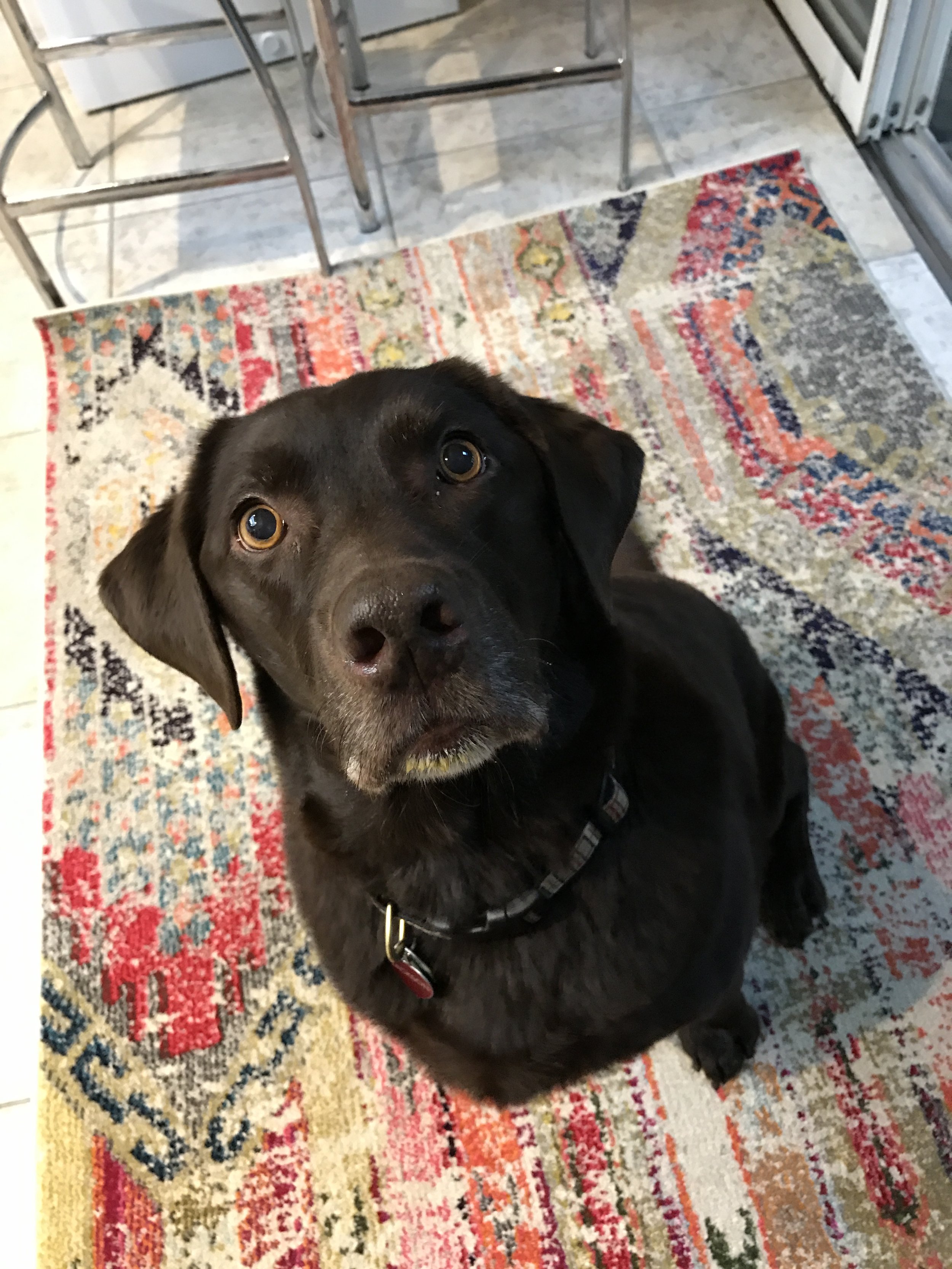
brown dog on colorful carpet looks at camera

Jackson loves bone broth!

This senior dog is active and healthy at age 14.

January is National Soup Month! Soup is such a versatile meal, packed with nutrients and easy to create according to your favorite flavors and textures. So far this January, we’ve experienced a few chilly days (for Central Florida, anyway), which gives us the perfect opportunity to wrap up in our favorite blankets and enjoy a warm cup of soup. But did you know that a hot bowl of broth can be just as nourishing for your dogs, too? 

Bone broth has been a trending topic in the nutritional world for dogs and humans alike. Slightly different from your average soup stock, bone broth is made by simmering animal bones for a long period of time, releasing collagen and other beneficial nutrients from the bones over time. The result is a thicker, savory broth that offers a long list of nutritional benefits for humans and their canine companions. 

A quick note about choosing broth for dogs

As tempting as it may be to serve your dog the same tasty broth you enjoy, it’s important that you select a bone broth that’s been specifically formulated for your dogs. Often, bone broth for humans includes flavor-enhancing ingredients like onions, garlic, and salt that can cause stomach upset and other issues in dogs. We believe that dogs should receive wholesome nutrition with real ingredients – but not all ingredients are appropriate for dogs!

Common health issues for senior dogs

As our dogs age, we notice them slowing down. After a long, active life, your dog’s internal systems don’t perform like they did when they were puppies. Maybe they don’t play outside or get the zoomies as often, and they definitely take more naps. You may notice that they have increased occurrences of stomach issues, and sometimes they may even lose their appetites. It’s a fact of life; but aging doesn’t have to keep your dog from living out their golden years in good health and happiness. 

A huge part of your dog’s overall wellness is their diet. With natural, wholesome ingredients and minimal fillers, your dog will experience less pain and inflammation, better mental acuity, and more energy. Bone broth is a wonderful and easy-to-administer part of a healthy diet for a senior dog. Read on to learn about some of the benefits. 

Bone broth combats inflammation

Over time, all active dogs experience some cartilage loss. As the cartilage between joints and bones wears thin, the bones often start rubbing against each other, causing painful inflammation. This type of inflammation can also present itself as arthritis and is particularly prevalent in dogs who have had an injury at some point in their lives. 

Bone broth is chock full of gelatin and collagen, as we mentioned before. Regular consumption of nutritional collagen can in turn increase the amount of collagen in the body, which supports the cartilage and helps keep those joints moving smoothly and with less pain. With bone broth, your dog should be able to enjoy regular activity without increased stress from pain. 

Bone broth is good for tummies

Many people experience decreased appetite in their senior years; the same is true for dogs. Their metabolism slows down and they may be experiencing inflammation and pain that keep them from wanting to eat. If your dog is showing signs of decreased appetite, especially if it’s a drastic change, be sure to consult with your vet to take the appropriate action.

Bone broth contains glycine, an amino acid that specifically helps build new tissues in your dog’s digestive tract. In a nutshell, glycine can help repair any problem areas in your dog’s stomach and intestines to make eating enjoyable again. 

As a bonus, bone broth doesn’t require any chewing. A dog that’s not hungry may still be game to lap at a bowl of broth, keeping them hydrated and ensuring they get healthy nutrients in their systems when they don’t feel like snacking. 

Bone broth supports your dog’s immune system

Your dog isn’t producing as many antibodies in their senior years, which means that they may be more prone to infections and illness. Think about it: even older dogs spend most of their days sniffing, exploring, and maybe even mouthing new objects to learn about them. All that close contact with the outside world can leave them vulnerable to sickness. 

The many amino acids in bone broth provide support to your dog’s immune system, boosting the metabolism, liver, and more, so that they’re better able to fight off infections and pathogens they may encounter in their daily lives. 

Where to find the right bone broth for your dogs

The bone broth you choose for your dogs should have nothing but the good stuff with no fillers or additives! Pawsitively Pure bone broth is made with nothing but the ingredients that come from beef or chicken bones simmered overnight, so your dog gets lots of collagen and amino acids without any ingredients that can irritate their stomachs. Head to our online shop or find us at one of our weekend markets to take some home today!

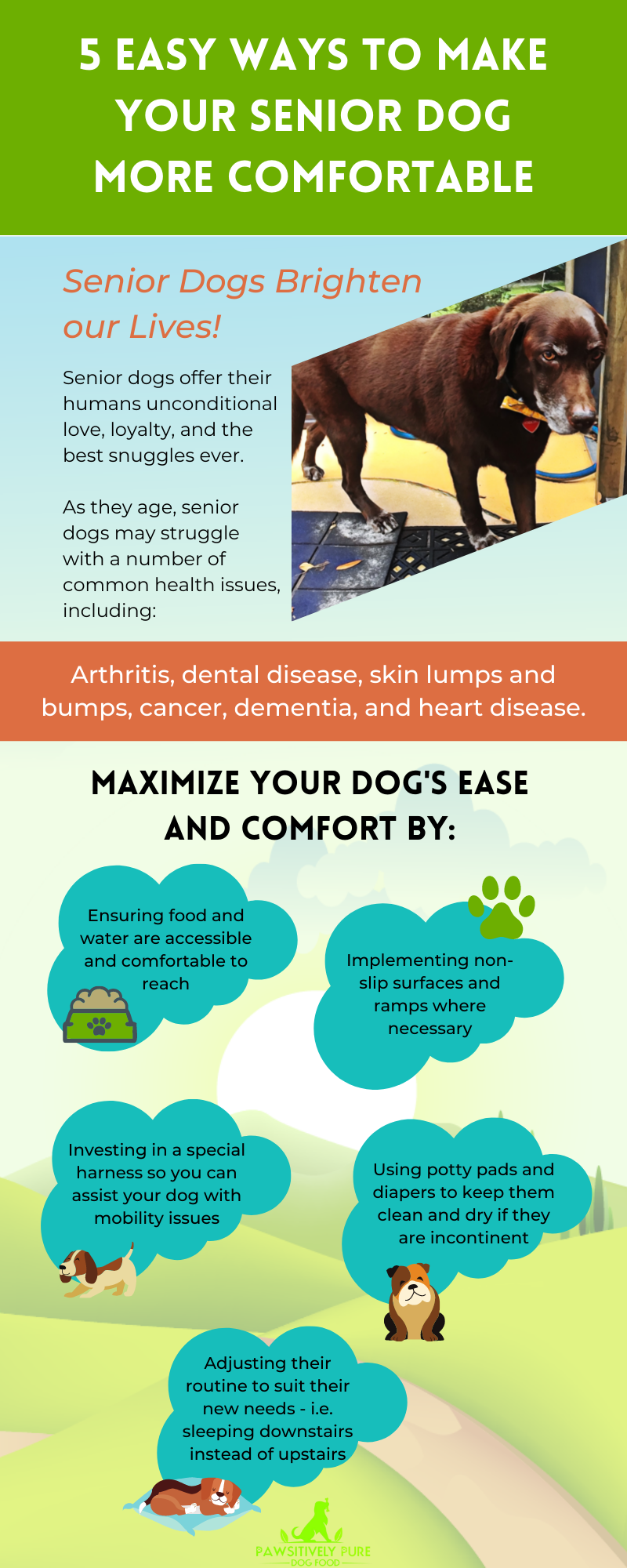
5 Easy Ways to Keep Your Senior Dog Comfortable

November is National Adopt a Senior Pet Month

infographic with tips for senior dog care

There’s nothing more heartwarming than watching a senior dog live out his golden years in peace and contentment. By the time your dog is considered a senior, he’s done miles worth of zoomies around the yard; he’s tried a vast array of toys and treats and has definitely picked a favorite; he’s made a few friends and established a routine with them. In their senior years, dogs are usually a little more gentle and reserved than they were in puppyhood, but they still start every day ready to shower you with unconditional love. 

While it’s an incredible journey to watch dogs grow and change from their juvenile years all the way through elder adulthood, there’s still so much to gain by inviting an already-senior dog into your home. Unfortunately, senior dogs are often overlooked at shelters. According to the ASPCA, senior dogs have a 25% adoption rate compared to the 60% adoption rate of younger dogs and puppies. Many adopters are afraid to open their hearts to an animal that may not stay around as long. Others also may be concerned about the additional care they need to give their senior dogs. 

The truth is, though, that senior dogs fill every day with love and kindness so you can make the most of your time together, and additional care considerations usually don’t add much more to your daily routine. Besides, we’d do anything for the dogs we love without batting an eye! If you’re preparing to welcome a senior dog to your home, read on for our tips to keep them happy and comfortable.

Senior Dog Care Tips

Just like humans may need to do things a little differently as they age, your dog may need some minor changes to their routine to help keep them safe, comfortable, and happy. Here are some easy tips to try for your senior dog: 

Make food easier to reach

Carefully consider your dog’s mobility when you establish their eating station. Many senior dog owners use raised food and water bowls for their dogs so that they don’t have to bend or strain to reach it. Your dog may also be a messier eater as they age, so be sure to set out a few extra mats to catch any crumbs or dribbles. 

Help them get from place to place

Stairs can be difficult to conquer for dogs with sore joints and arthritis. Plenty of pet supply companies offer ramps to help your dog reach elevated places -- beds, couches, cars, and beyond -- without issue. Make sure you choose a non-slip ramp to give them extra grip, especially if you’re using the ramp outside in rainy or snowy weather. It’s also a great idea to use a few non-slip ramps in tiled areas of your home to help prevent slip and fall accidents. 

Use a mobility-assisting harness

Did you know that there are special harnesses to aid your senior dog’s mobility? Specialized harnesses for seniors usually have straps or handles so you can help your dog get up and stand if they usually struggle. They can even be custom made to assist the front or hind legs separately, so you can properly address your dog’s unique mobility needs. Even if your dog only occasionally needs assistance, harnesses like these can take all the stress and struggle out of the situation. 

Relocate their headquarters

Speaking of mobility assistance, going up and down stairs on a daily basis may no longer be reasonable for your aging dog. Relocate your dog’s “headquarters,” a.k.a. their sleeping and eating space, to the ground floor of your home so they don’t have to struggle to get to their home base. If your dog is used to sleeping in your upstairs room, it may be an adjustment for both of you to sleep apart, so take time acclimating them to their new surroundings. 

Keep them clean and dry

Incontinence can become an issue for senior dogs. If your dog is left unclean after they have an accident, they become susceptible to a number of infections that can seriously impact their overall health. Use diapers for senior dogs if regular incontinence is an issue; they help wick away moisture and keep them dry and comfortable. You can also set up a spot for potty pads if they occasionally have issues getting outside on time. 

The Love of a Senior Dog is Priceless

If you’re thinking about adopting a dog, we can’t stress enough how much our senior dogs have improved our lives. When you adopt a senior dog, you’re opening yourself to gentle companionship and unwavering love; you’ll have a friend who will make a lifelong impact on you. Give a senior dog a chance!

Our dog food and bone broth is perfect for senior dogs and has nutrients that benefit their muscles, joints, skin and coat, and more. Order Pawsitively Pure Dog Food today!

Lex Burton
Gently Cooked Dog Food: Your Dog's Best Friend!
GentlyCookedDogFood_September2021_PawsitivelyPure.png

Kibble Just Can’t Compete

We know you’ve heard of kibble, and you’ve probably heard of the raw feeding diet by now -- but have you ever heard of gently cooked dog food? Human-grade gently cooked meals, like the ones we prepare with love at Pawsitively Pure, offer a whole host of health benefits you just can’t get from feeding mass-produced kibble. Ready to learn more? Follow along with our infographic and we’ll break it down for you!

Infographic describing the benefits of gently cooked human-grade dog food

Infographic describing the benefits of gently cooked human-grade dog food

Fewer Carbs Helps Weight Management

One of the most notable benefits of switching to a gently cooked diet is fewer carbs and fillers. Our wholesome, tasty food is formulated with whole proteins and vegetables -- no unnecessary fillers in here! According to Whole Dog Journal, dogs don’t need large amounts of carbohydrates in their diets to lead healthy lives; in fact, the fewer carbs, the better! And yet, many commercial kibble brands are formulated with 30 to 70% carbohydrates. 

While carbs do grant lots of energy, an abundance of carbohydrates and sugars can lead to weight gain, especially in dogs with reduced energy and activity levels. Healthy, protein-forward meals can make it easier to maintain healthy weight and is more appropriate for the average dog’s activity levels!

Healthier Teeth and Gums

Speaking of carbs and sugars, too much sugar does a number on your dog’s teeth and gums. Obviously, you know it does the same for humans, too! Especially if you’re not regularly brushing your dog’s teeth, carb-loaded kibble can speed up your dog’s tooth decay and cause overall health issues in the future. Skip the carbs and reveal your dog’s beautiful pearly whites (and don’t forget to brush their teeth, while you’re at it!)

Healthy Skin and Shiny Coat

Feeding a human-grade diet offers healthy benefits for so many more of your dog’s systems, too! One thing most pet parents notice after switching to a gently cooked diet is healthier skin and a shinier coat. Natural proteins are the building blocks of healthy skin! Why is this important? Healthy skin is your dog’s first defense against parasites that carry disease and infection, like fleas and ticks. When your dog has healthy skin, they’ll be comfortable and more protected overall. 

Easier Digestion

What’s more, dogs have sensitive digestive systems. Healthy proteins are easy for your dogs to digest and extract nutrition from! Many commercially produced dog foods include meat byproducts that take a lot more to digest rather than wholesome muscle proteins. We use whole proteins, like chicken, turkey, and beef, to create our human-grade foods. 

Feed Them Like Family!

All dogs deserve the best of the best, because they truly make our lives better! Our goal is to provide your dogs with gently cooked, nutritious meals that will improve their quality of life and allow them to spend plenty of happy days with you. We hope you’ll try a gently cooked diet for your dogs and discover the difference for yourself! Take a look at our blog on transitioning your dog from kibble to a natural diet. You can find Pawsitively Pure’s food, treats, and bone broth at our online shop!

Lex Burton