Healthy Ways to Train Your Dog’s Brain

Brain Training is Not Just for Humans
On October 13, we celebrate National Train Your Brain Day, which promotes the idea that mental exercise is just as important as physical exercise. Have you ever heard the phrase “use it or lose it?” This rings true for our mental acuity just as much as our physical bodies: it’s been proven that our cognitive function is significantly reduced when we don’t challenge our brains on a regular basis. But did you know that brain training is just as important for dogs as it is for humans?

Mental exercises are often overlooked but incredibly important for your dog’s overall wellbeing. Enrichment activities that encourage your dog to develop problem solving and investigation skills can help prevent inappropriate behaviors, strengthen your bond, and just plain tire them out! 

So how exactly do you help your dog exercise their brain? If you’ve never tried before, you may be envisioning a dog college, or at the very least, an incredibly complicated tutoring program. Luckily, many brain training exercises for dogs involve simple sessions that you can set up with objects you already have at your home.

Brain Training for Dogs at Home

Minimal equipment is needed for these fun, at-home training games.

Hide Toys and Treats

Your dog is a natural-born finder. With his incredibly powerful sense of smell, your dog loves the challenge of finding and unearthing treasures. If you don’t want to make a mess by digging up holes in your backyard, you can hide your dog’s favorite toy or a couple of treats around your home. Simply put your dog in a “stay” position and let them watch you bury their squeaky toy between the couch cushions or underneath the coffee table. When you’re done, release them from their “stay” and encourage them to go find the object. After a few rounds of this, you and your dog will be having a great time together!

Make a Dig Pit or a Snuffle Mat

Some dogs just love to dig. This hearkens back to that natural finding ability they carry with them throughout their lives. You can indulge this activity while keeping your flower beds safe by making an in-house dig pit. To do so, simply find a shallow box that’s an appropriate size to accommodate your dog and fill it with soft materials like cut up rags, toilet paper rolls, and other dog-safe items. Hide a treat or two beneath the layers and watch your dog go nuts! You can also use a snuffle mat, which is a mat made of several layers of rug or cloth with several pockets for treats or bits of kibble. These activities are safe and relatively mess-free!

Teach a New Trick

You absolutely can teach an old dog new tricks with patience and preparation! Learning a new trick is the quintessential way to train your dog’s brain, and it can lead to better communication and understanding between you and your dog. Whatever trick you decide to learn, be sure to have plenty of high-value treats on hand to reward good behavior. Also, keep your training session relatively short; spending too much time may cause your dog to become bored and lead to some frustration for everyone involved.

Try a Puzzle Toy

Many innovative and exciting types of puzzle toys have appeared on the pet care scene, especially in recent years. Ranging from simple action-reward toys to more complicated, multi-step challenges, puzzle toys for dogs are readily available at most pet stores and can be fairly affordable based on complexity. Generally speaking, all you need to do is pop a few treats in the proper receptacles and encourage your dog to explore on their own! Even a Kong stuffed with kibble and treats can serve as a simple mental stimulator for your pup.

Brain Training for Dogs Outside

Looking for some brain training opportunities while you’re out and about? These activities are simple and effective.

Socialize Your Dog

Socialization is an incredibly important step in your dog’s upbringing, and it’s also a simple and fun way to train their brain. Best practices for socialization vary greatly based on your dog’s age and stage of development. While puppies and adolescent dogs may be comfortable learning by experience and encountering many new dogs and people at once, adult dogs need a much gentler approach as they may become overwhelmed by unfamiliar situations. Ask your veterinarian for some tips on the best ways to socialize your dog at their current age. No matter which methods you choose, always be sure your dog is in a safe play environment and can exit when they’re done with the activity. 

Mix Up Your Walking Paths

Do you and your dog take the same walking route every day? They may be getting bored of seeing the same landmarks and experiences every time. Simply changing up your walking route is a great way to stimulate your dog’s brain and body at the same time. Aim to take your dog through a wide variety of environments, from your neighborhood sidewalks to dirt roads and even forest trails. We bet your dog will be ready for a nice long nap once you make it back home!

A Healthy Diet Supports a Healthy Brain

A healthy diet can give your dog the energy they need to carry out any brain training challenges you put in front of them. In honor of National Train Your Brain Day, make a commitment to giving your dog mental exercises 3-5 times a week. With so many simple and affordable options available for brain training, there’s no reason not to! As we mentioned above, short sessions are typically preferable to help avoid burnout and exhaustion. Finally, always have some healthy, tasty treats at the ready to reward great behavior. Head over to our online store or meet us at a weekend farmers market to stock up on your dog’s new favorite treats.

The Joys of Bringing Your Dog to the Farmers Market
dog standing beside owner with market cart at a farmers market

We Love Our Weekend Farmers Markets

Every weekend, we set up our tents at three of the most wonderful farmers markets in Central Florida. For us, these market weekends are a treat: we get to be outside in beautiful park settings, meet new people, and offer tasty treat samples to the happy pups that join their parents. We’re lucky to have so many great dog-friendly events in Orlando, and we know that you dog moms and dads feel the same!

As responsible pet parents, it’s important to make sure your dogs are on their best behavior at the farmers’ market to ensure a fun time for all attendees. Here are just a few guidelines to keep in mind before you bring your dogs to the Winter Park, Lake Mary, or Maitland Farmers Markets to stop by our booth.

Be Realistic About Your Dog’s Temperament

A bustling farmers’ market can be a high-stress environment for any dog. There are so many new sights, smells, people, and other dogs to encounter. While we know you want your dog to be included in all the fun, it’s so important to be realistic about your dog’s temperament and manners. Putting your dog in a situation where they’re unable to make the proper responses to a variety of situations can be dangerous for you and for those around you.

At a minimum, make sure your dog is comfortable around strangers, other dogs, and children. Your dog should also know commands like “sit,” “stay,” and “down.” As always, be sure you bring along some high-value treats to reward them for good behavior in new situations.

Make Sure Your Dog’s ID is Visible

The goal in bringing your dog to the farmers’ market with you is to have a great time, not to put them under stress! However, even the best-trained dog may become overwhelmed in a new situation. What’s more, there’s always the possibility that you lose control of the leash when you have a handful of shopping bags. Whatever the situation, you want to make sure that your dog is easily identifiable in case of emergency.

If you don’t already have an ID tag on your dog’s harness or collar, you should get one now. You can also get your dog’s information embroidered on their harness or collar so you can make sure it stays with them at all times. Additionally, if your dog is not already microchipped, now is the time to do it. 

Get the Right Gear

You’ve obviously taken your dog on a walk before, so we’re sure you have a good leash and a collar or harness that fits your dog comfortably and securely. The farmers’ market is not a place to go off-leash, so this equipment is non-negotiable for your outing. We strongly recommend using a standard, non-retractable leash when you’re bringing your dog to high-stress and high-excitement situations like a market. Remember: not everyone at the farmers’ market is there to see dogs, and some vendors (especially food vendors) may not want dogs near their merchandise. To keep everyone comfortable, keep the leash short and make sure your dog doesn’t stray. 

Bring Water and Snacks

Here in Florida, we experience hot daytime temperatures well through the month of October and beyond. Your dog will dehydrate quickly in these conditions, so you need to make sure you have a source of fresh water and a vessel for them to drink from. Additionally, you may want to offer them a few healthy snacks to keep them satiated while you’re away from home. Of course, you’ll want to make sure you have poop bags on hand to clean up any accidents and keep the market looking beautiful.

Stay Aware of Your Surroundings

It’s important to make sure you keep an eye on anyone who may be approaching your dog - dogs and children alike. While we always hope that people are responsible enough to ask permission before they pet your dog, not everyone knows these rules, and young children are likely to pet a cute puppy at their whim. If you notice someone approaching, put yourself between them and your dog and clearly state what kind of contact your dog is comfortable with, if any. You never want to put yourself or your dog in a position to be a liability.

Responsible Pet Ownership is Good for Everyone

When you follow these common-sense guidelines, you’re making sure that dog-friendly events are safe and fun for everyone. Farmers markets are great places for your dogs to socialize and explore. They’re also the perfect place for your dog to sample some of our tasty, healthy treats! To learn more, send us a message on Facebook or visit our online shop to order your dogs’ favorite food, treats, and bone broth. 

Paws Up! Your Ultimate Guide to Paw Care
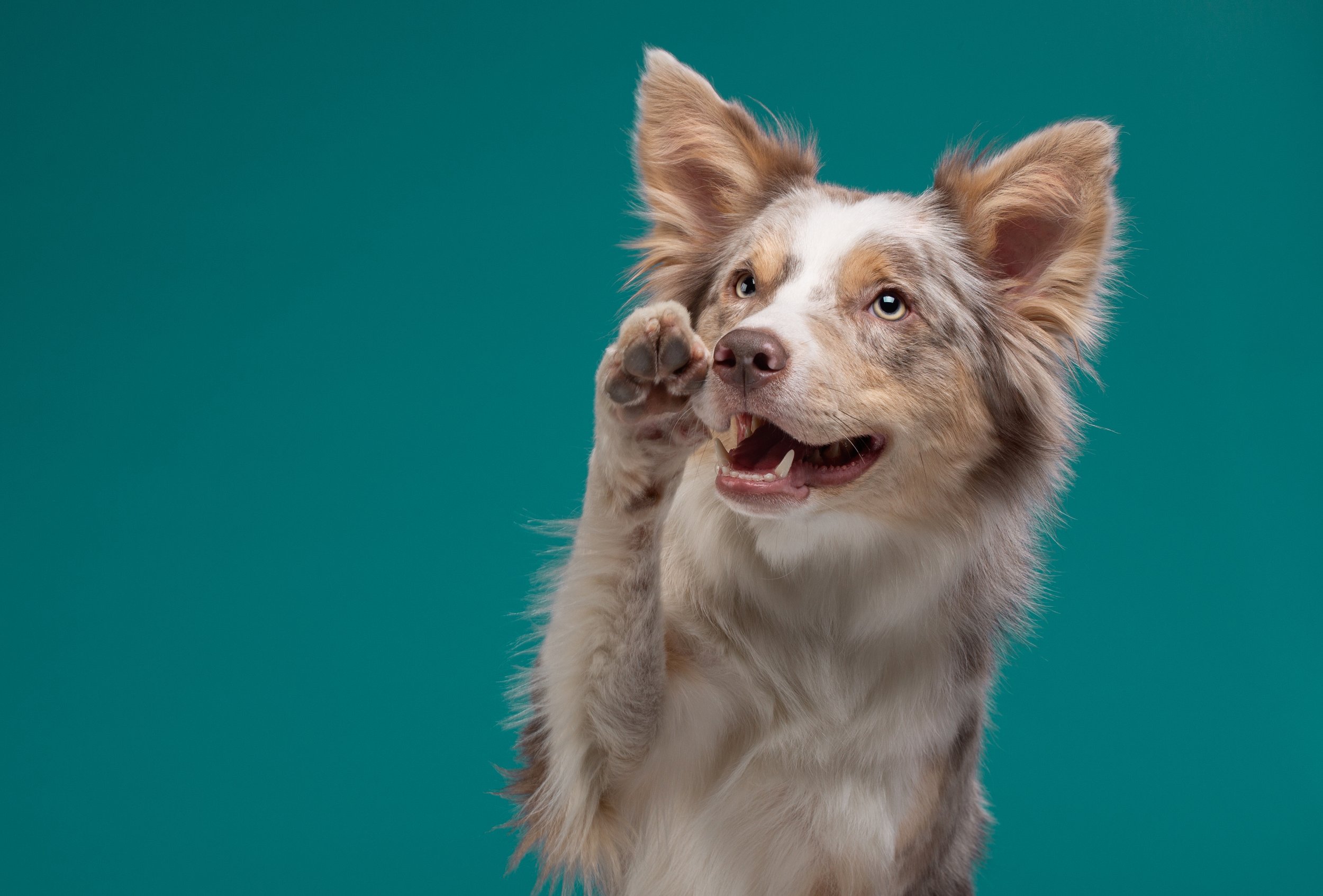
Brown and white dog lifting its paw near its nose

Who Doesn’t Love Dog Paws?

No one can deny just how precious dog paws are. Long-haired or short, fluffy or sleek, each dog’s paw is unique and beautiful. But dog paws aren’t just there for our admiration; your dog’s paws are important for your dog’s overall quality of life, as they allow your dog to walk, run, play, jump, and perform tricks. They even assist with temperature regulation, stability, and protection. 

Here’s the thing: since most dogs generally don’t wear shoes outside, their feet are exposed to many more irritants and potentially harmful obstacles than our own feet. Whether your dog picks up traces of pesticides in their paws or gets scrapes and cuts from sharp rocks and detritus, their overall wellness can be at risk if their paws aren’t treated with proper care and attention. Keeping an eye on the condition of your dog's paws can give you important information about their overall health.

Pay Attention to the Paws

Take a close look at your dog’s paws. Are they smelly? Are the nails overgrown? Are they matted or covered in hitchhikers? Is there a pinkish color to them? Each of these conditions can give you a heads up that your dog may need a medical checkup. As is the case when you have injuries or skin conditions on your feet, your dog will find difficulty walking and carrying out their day-to-day activities with unhealthy paws. 

Keep in mind that most dogs aren’t comfortable having their paws handled without a little preliminary acclimation. According to Wag Walking, your dog’s paws are important receptors of sensory information, so it can make them feel vulnerable to have their paws touched or held. What’s more, they can be reluctant to offer their paws if they’ve been injured during grooming or nail trimming. To help put your dogs at ease, start training as soon as possible and reward them with high-value treats for staying calm when you touch and hold their paws.

How to Keep Your Dog’s Paws Healthy

There are a number of prevention and maintenance tasks you can perform at home to keep your dog’s paws in great shape.

Protect Paws in Extreme Temperatures

Here in Central Florida, our summers get exceptionally hot; so far, our hottest day in Orlando was June 15 when temperatures reached 98 degrees. Our hot summer days heat asphalt and concrete to temperatures that may be uncomfortable for our dog's paws and can even cause burns, leaving them prone to infection. Do what you can to avoid walking on the road during peak temperatures, and if you have to travel at those times, get a set of protective shoes for your dog. Similarly, if you’re in an area that gets lots of snow and ice, a set of protective booties can protect your dog’s paws from injury and discomfort.

Monitor Excessive Licking

When your dog licks their paws, they may be trying to soothe a sore or itchy spot that’s bothering them. Excessive paw licking can be a sign that your dog has food allergies, environmental allergies, or an open wound. What’s more, that licking can lead to further issues since the damp paw creates the perfect environment for fungal infections to take root. If you notice your dog licking their paws more than usual, it might be a good idea to schedule a vet appointment.

Take Special Care When Trimming Nails

Trimming your dog’s nails helps to keep them comfortable during their daily activities as overgrown nails affect the way their paws rest on the ground. However, if you’re not careful when you trim or your dog squirms too much, you may wind up nicking the quick and causing bleeding and pain. If you’re nervous about trimming your dog’s nails, your vet probably offers a nail trimming service at a reasonable price.

Additionally, keep an eye on the quality of your dog’s nails. Dewclaws especially tend to get caught in fabrics and may crack or rip. For us humans, a broken nail is an inconvenience that can cause some tenderness, but for dogs, nails are integral parts of the claw and damage can cause severe pain and further health complications. It’s important that you address nail damage as soon as possible with the help of your vet. 

Clean and Pamper Your Dog’s Paws

As we mentioned above, your dog’s paws tend to collect traces of pesticides, fertilizers, and other environmental hazards that can make life less comfortable for humans and dogs alike. While all dogs aren’t susceptible to environmental allergies, accumulated pollutants can still cause itching and discomfort and can also cause a health hazard for your human family. To help eliminate this issue, give your dog a pawdicure! Regularly clean and bathe your dog’s paws with a gentle but effective cleanser, and try to wipe their feet each time they come inside. When their paws are dry, you can apply a paw balm for extra soothing and protective effects. 

Love Your Dog From Snout to Paws!

Canine health care involves taking care of every part of your dog from head to paws! Proper paw care can help your dog maintain their overall quality of life and keep them active and comfortable. Visit our online shop to get our organic paw balm to keep your dog’s paws feeling their best!

Dining Out With Your Dogs in Orlando? Keep These Etiquette Tips in Mind

Orlando is a Great Place for Pet Parents

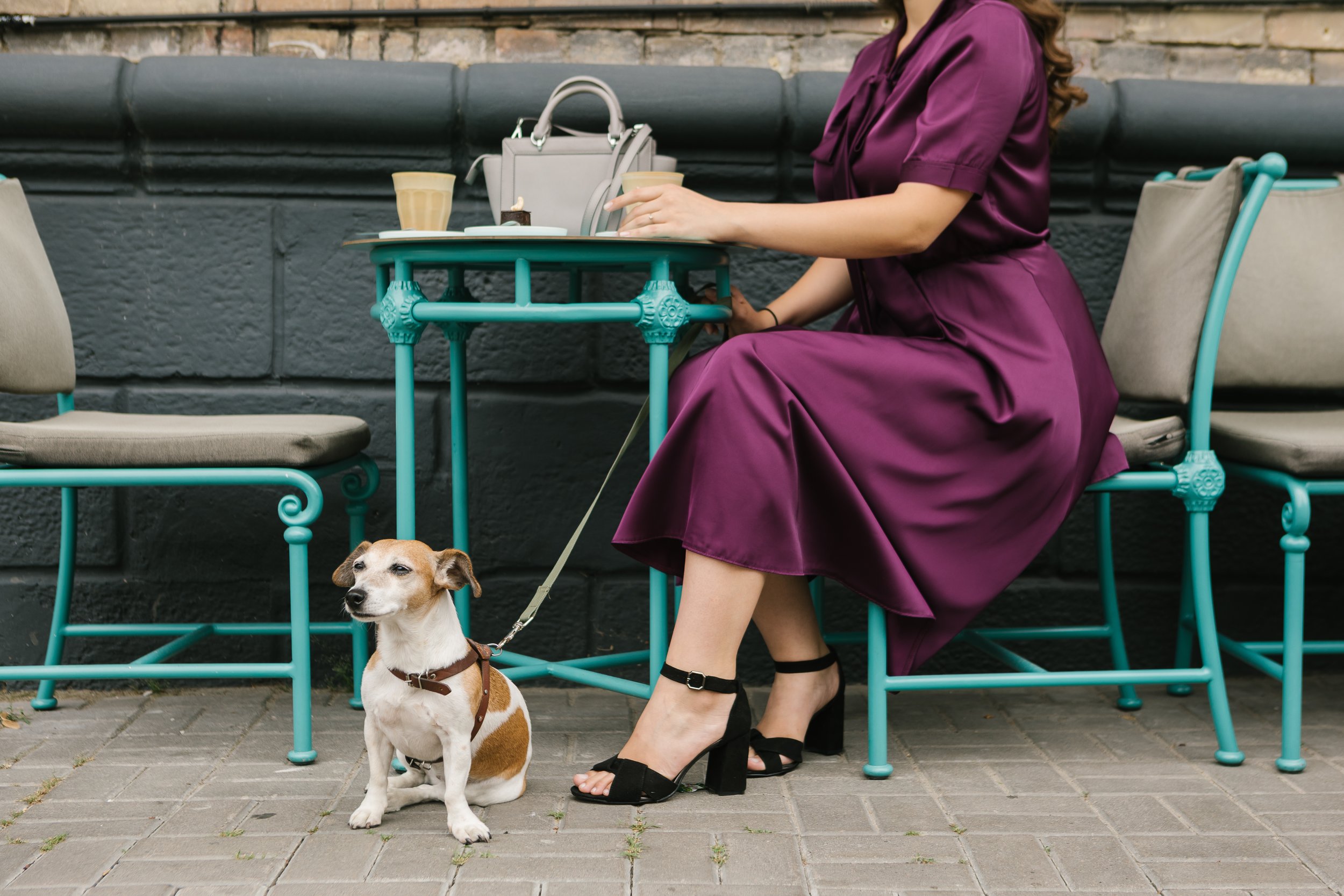
small dog sits at the foot of a woman in a purple dress at an outdoor cafe

There’s nothing quite like enjoying a delicious meal on a breezy patio on a summer afternoon. That fun is doubled when you can bring your furry friend along with you! Orlando is a wonderfully dog-friendly place, with many restaurants, bars, parks, and markets where you and your dog can stretch your legs and enjoy some snacks. Before you go, though, it’s important that you get to know the restaurant’s rules so that everyone can have a great time at their meal.

Even if a restaurant says it’s dog-friendly, or allows dogs in their outdoor dining area, the rules are different than they would be if you enjoyed lunch at home. It’s important to be mindful of the restaurant staff’s needs as well as the comfort of the other diners around you. 

Dog Dining Etiquette Tips

Be Sure Your Dog is Up For the Outing

You know your dog better than anyone else does. You know whether your dog is leash aggressive and nervous around other dogs or strangers. If your dog experiences any of these issues, it’s probably best to leave them at home. When you’re focused on your food, you might not see the warning signs that your dog is about to snap. What’s more, aggressive and explosive movements plus a table full of food and drinks equals a recipe for disaster. Putting your dog in a situation where they will likely be uncomfortable is unfair to everyone involved.

Everyone Else Might Not Love Dogs as Much as You Do

Every pet parent believes that their dog is the best dog in the world that deserves love and affection from every human that crosses his path. While we agree with you, not every human in the world is a dog lover – and that’s ok! Make sure that your dog is not encroaching on other people’s dining experience without their express permission. Keep a handful of treats with you to encourage your dog to return to your side if they start to wander. 

Try Not to Sit in the Center of the Dining Space

Going out in public with your dog involves a lot of extra equipment: leash, water bowl, treats, and beyond. If you’re situated right in the middle of the dining area, all this extra stuff may cause a tripping hazard for staff and other diners, and it also doesn’t give your dog much room to stretch out and chill while you eat. If it’s at all possible, find yourself a table at the corner of the patio so you can set up comfortably and your dog can maintain a personal bubble, should they need it.

Don’t Tie Their Leash to the Furniture

You may think it’s ok to tie your dog’s leash to the table or chair you’re sitting at since you’ll be right next to them, but it’s much safer for everyone if you maintain your hold on their leash. First of all, you’ll be able to react quickly if something should happen, like your dog starting to wander or someone needing to pass by. Secondly, even if your dog isn’t being reactive, there’s always the possibility that they could pull the furniture over when they move, which poses a serious safety issue to you, your dog, and those around you.

Don’t Let Them Sit at the Table

Your dog should stay by your feet during your meal. First of all, as you know from some of our previous blogs, human food is not always safe for dogs, and when you order it from a restaurant, you don’t know exactly how they’ve prepared it. It could include garlic or spices that will make your dog sick. Secondly, letting your dog sit like a human can reinforce begging behavior at home, and that’s a no-go for everyone. Finally, letting your dog eat from the plate might gross out other restaurant-goers, and we’re sure the restaurant staff doesn’t want to clean dog slobber from their plates and silverware.

Time Your Visit

As we all know, dogs can get bored after a while of sitting around, especially if there are so many new sights and smells surrounding them. According to Reader’s Digest, you want to leave the restaurant before your dog gets tired, bored, or has to potty. Be intentional with the time you choose for your restaurant trip, as well; it’s best to avoid visiting during peak hours. Instead, go when you know the crowd isn’t too big and you’ll be able to enjoy yourselves. 

Great Places to Eat and Drink With Your Dog in Orlando

As we mentioned above, Orlando is a wonderfully dog-friendly city! Here are just a few of our favorite places to bring our dogs for an afternoon: 

Barley and Vine Biergarten

This charming craft beer and wine garden allows dogs both inside and out on their expansive covered patio. They don’t serve food, but they do often have visiting food trucks, and you’re welcome to bring your own food from one of the many restaurants nearby!

Sideward Brewing

Sideward Brewing offers a huge variety of craft beers made in-house as well as delicious snacks and sandwiches. Their covered and fan-cooled patio space is frequented by local dogs who love tagging along with their owners for a pint. 

Pups Pub

This brand-new bar in Orlando is designed specifically with dogs in mind! Featuring turf flooring, designated play areas, and Paw Patrollers who make sure everyone is having safe fun and staying clean, Pups Pub offers monthly memberships so you can bring your dog for a pawty whenever you want. 

903 Mills Market

Looking for more of a relaxed environment for a great breakfast or lunch? 903 Mills Market is a quaint local eatery with some of the best breakfast sandwiches in town, and plenty of space to be comfortable in their outdoor eating area. They have plenty of water bowls on hand for your thirsty pups!


We’re always looking for the best places to bring our dogs along with us! Of course, we love bringing our dogs to the farmers’ markets with us when we attend every weekend. What are some of your favorite dog-friendly places around Orlando? Send us a message and let us know!

Ingredient Spotlight: Turkey

A Protein Your Pup Can Gobble Up

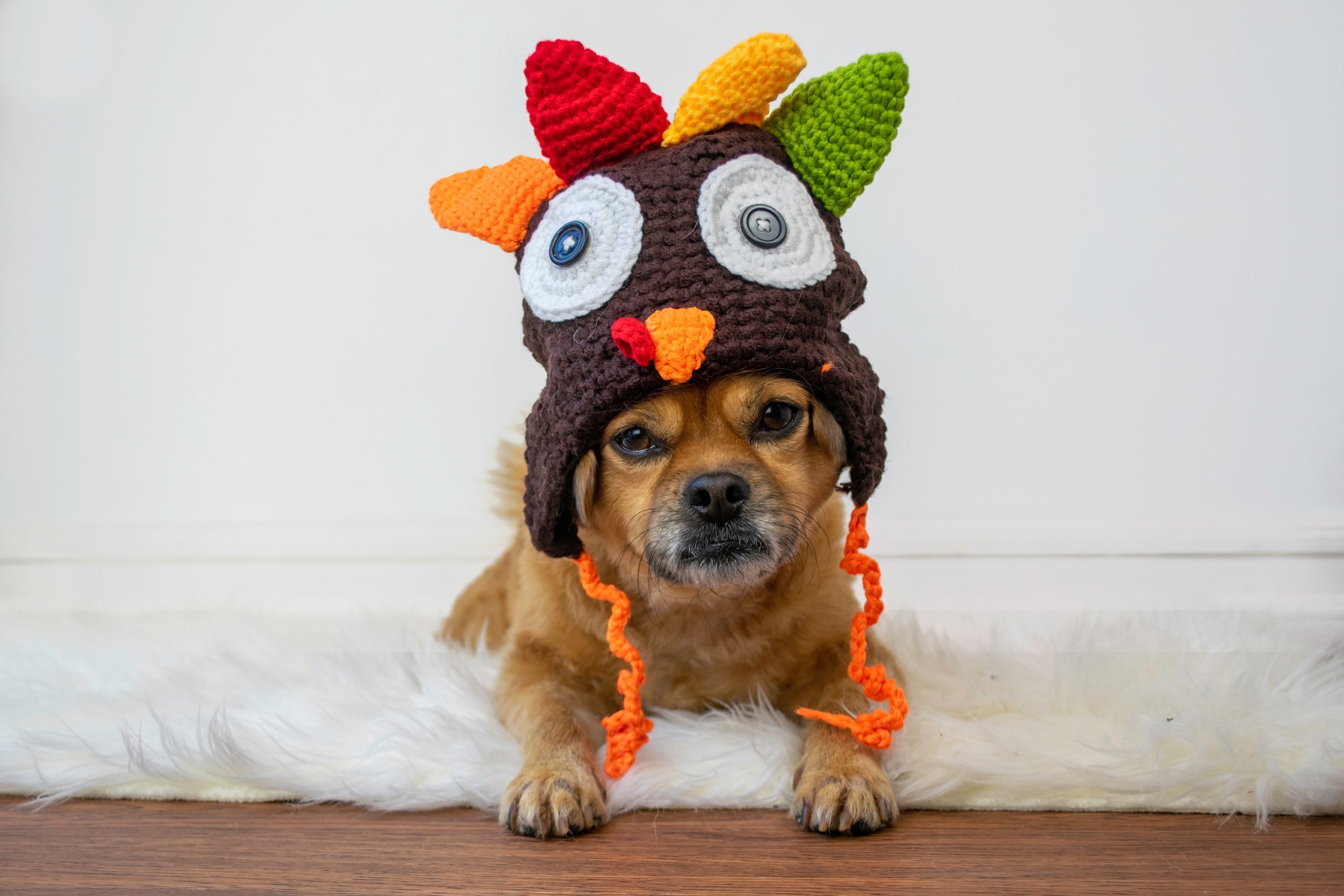
small dog wearing a knitted turkey hat

Every month, we look for national holidays and observances we can celebrate with our dogs. You can imagine our surprise when we found out that June was Turkey Lovers’ Month! Wouldn’t you think such an observance should happen in November? But the fact of the matter is that turkey is a lean, healthy protein that can be served and celebrated all year long. In particular, turkey is one great protein option for your dogs’ food. 

Turkey is near the top of the list alongside chicken and beef as one of the most popular proteins found in dog foods. Natural dog foods with turkey should offer your dog the full spectrum of nutrition without being overloaded with fats and fillers. Pawsitively Pure turkey food also includes sweet potatoes, green beans, and carrots to pack in lots of vitamins and minerals at every meal. Turkey offers great nutritional value as part of your dog’s balanced diet.

The Benefits of Turkey for Dogs

Like chicken, turkey breast is a lean protein that helps your dogs build healthy muscles. Well-made dog foods use breast meat, avoiding the fatty dark meat that can be too calorie-dense for your dogs to maintain a healthy weight and active lifestyle. Many pet parents choose turkey-based dog food as an alternative if their dogs are sensitive to chicken or beef. 

Turkey has a few nutrients that are particularly important for your dog’s energy levels and immune systems. This protein is a great source of riboflavin, a vitamin that helps transform proteins and carbohydrates into energy and also stimulates the production of red blood cells, helping your dog stay active every day. It also includes a good deal of phosphorus which supports your dogs’ kidney function and helps flush away toxins. 

Before you throw your dog a couple turkey scraps from your dinner or your deli meat sandwich, though, there are a few tips you should keep in mind to maximize the health benefits from this protein. 

What to Know Before You Feed Your Dog Turkey

Turkey for dogs should be prepared separately from your meal

When we prepare turkey for a big roast dinner, we often pack the skin with salt, herbs, onions, and garlic to enhance the flavor. Onions and garlic are among the most dangerous human foods for dogs to eat as they can damage a dog’s red blood cells in serious cases. What’s more, excessive salt intake can cause seizures, dehydration, vomiting, and other troubling issues. Basically, it’s the protein that’s good for dogs, not the dressing. 

When you do give your dog turkey, be sure you prepare a portion of turkey just for them with no extra herbs or spices. Be sure the turkey wasn’t brined before cooking, as well.

Skip the deli meat

It’s so easy to reach into the fridge and toss a turkey slice to your dog, but we’re here to tell you that that’s not a healthy habit. Deli turkey and other similarly processed meats are major sources of nitrates, which can lead to weakness and tremors in dogs. As a rule of thumb, avoid giving your dog access to processed foods as they don’t promote the healthy nutrition your dog really needs. 

Be sure to avoid the bones

Poultry bones are much more brittle than beef bones, especially when they’re cooked. These brittle bones can splinter easily and cause serious damage to your dog’s mouth, esophagus, and/or stomach. They can also be serious choking hazards. When you feed your dogs turkey, make sure you’re only feeding them the meat and not a big chunk of breast or thigh. 

Ready to Try Turkey for Your Dogs?

Here at the Pawsitively Pure kitchen, our dogs are big fans of our gently-cooked turkey and vegetable meal. At every life stage, it helps them maintain their energy levels and promotes healthy skin and coat. We specifically formulate our dog food with complimentary vegetables to give your dog a nutritionally balanced diet. When you’re ready to order, head over to our online shop or stop by and see us at one of our weekend farmers’ markets.