Dealing With the Loss of a Beloved Dog

Our Dogs Leave Their Paw Prints on Our Lives

man with mustache and glasses hugs an old brown dog

We all wish our dogs could live forever. Over the course of their lifetimes, we form a special bond with our pets; they become our best friends, our sources of comfort and joy, our activity partners, and our protectors. But there comes a time when we need to say goodbye to our dogs, and no matter how many times we experience this, it never gets easier. 

Our dear chocolate lab, Jackson, passed away this week, and we miss him very much. He was a wonderful dog, a wonderful big brother, a champion swimmer, a dock diver, and the face of Pawsitively Pure Dog Food. We are taking our time to mourn and to give extra love to his brothers. If you’re going through a similar loss, we are right by your side. We’ve learned a couple of things that have helped us get through this time of sadness, and we want to pass them along to you. 

There is No Wrong Way to Grieve

Your grieving process will be just as unique and personal as your relationship with your dog. Understand that there is no wrong way to grieve. Journaling, scrapbooking, and creating art are all great ways to memorialize your dog while expressing your emotions. Maybe you need some extra company from your family and friends while you go through this period of time, or maybe you’d prefer to spend some extra time reflecting on your own. Choose whatever makes you comfortable and helps you work through sad times. 

No matter what route you take, it’s important to keep in mind that your feelings are perfectly valid. In the time your dogs spend with you, no matter how long or short, they become important parts of your family and your heart. Losses like these are never easy to deal with. 

Be Affectionate and Attentive to Your Other Pets

Not only can dogs pick up on our emotions, they can also grieve just like we do. If you have other dogs in your home, they are dealing with just the same kinds of feelings that you are. Offer them some extra TLC and take the time to talk with them about their friend. They may not understand every word  you say, but they’ll appreciate your care and attention. It may take some time for your pets to adjust to life without your other dog, so be patient with them as you go through this transition together. 

Memorialize Your Pet

The memories we make with our dogs last a lifetime. If you’ve had dogs all your life, we’re willing to bet that your memories with your childhood dogs are still just as vivid as they were years ago. Do something special to memorialize your dog and celebrate the good times you had together. As we mentioned above, doing an art project is a great way to express yourself and keep your dog’s memories nearby. Some people preserve their dogs’ collars; others frame pictures of their dogs’ paw prints. You can even host a memorial service and invite the family members and friends who have made memories with your pup. 

Another great idea is to use your pets’ legacies to help other pets in need. You could set up a charitable foundation or make donations in your pets’ names to help keep their memories alive. 

It’s Ok to Move On

Some pet owners feel guilty for getting another pet after their dog passes away, but it’s so important to understand that it’s ok to move on. It’s perfectly acceptable to bring another dog into your home and create new memories with them. Moving past your grief doesn’t mean you’re replacing your dog – and they would want to know that you’re happy and healthy. 

Healing Takes Time

Our hearts go out to you if you’re dealing with grief and sadness over the loss of your dog. As the saying goes, “time heals all wounds;” give yourself time to work through your emotions and you will make it past this difficult time. Take care of yourself and your other pets, and always keep your dog’s memories close.
Lex Burton
5 Tips to Make Road Trips With Your Dogs Fun for Everyone
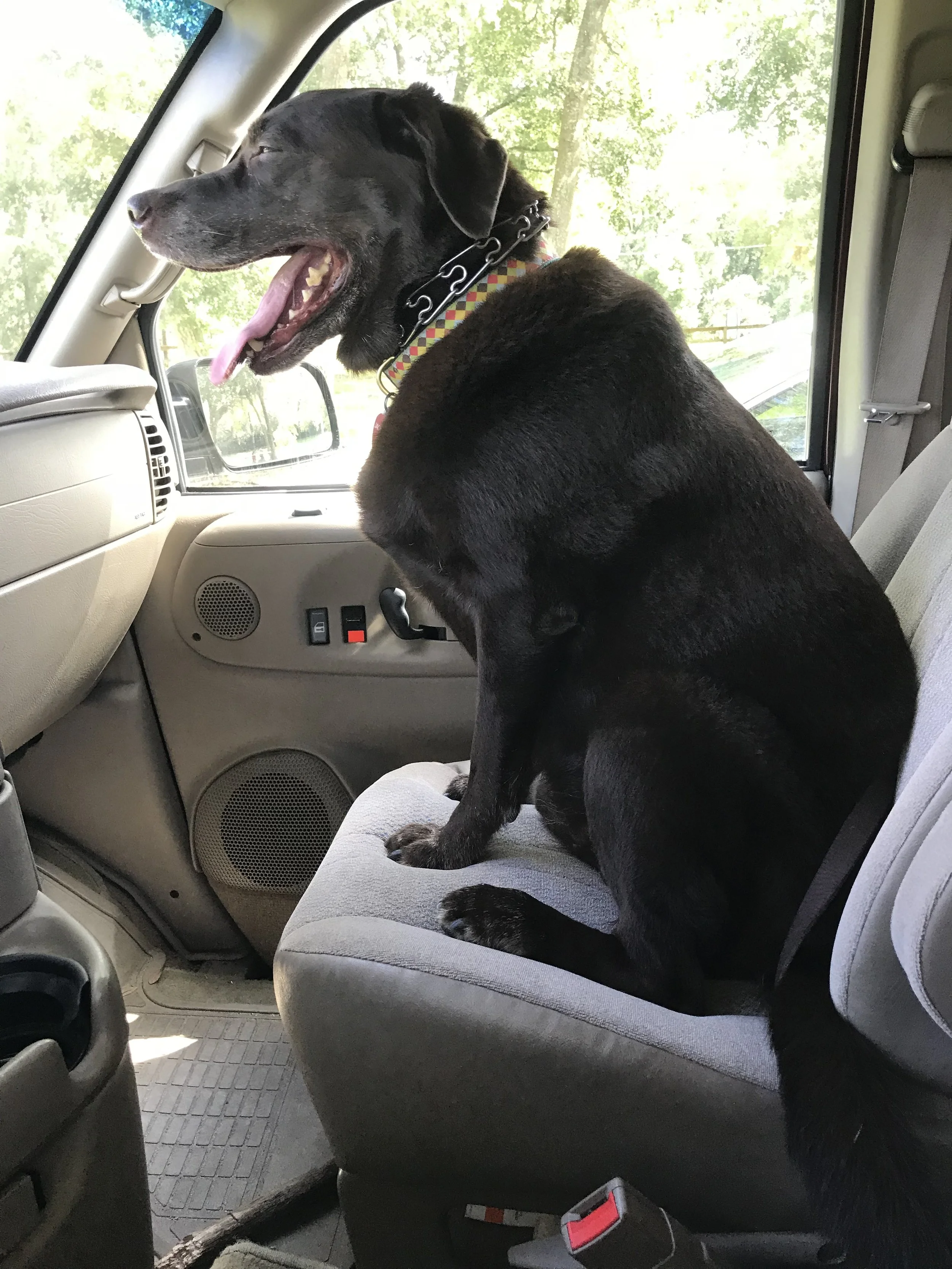
chocolate lab yawning in front seat of car

Preparing for a Long Journey With Your Pet

Summer is hot on our heels, and with it come summer vacations, trips to the beach, and family getaways for the whole family. There are so many dog-friendly activities around Florida that cater to pets of all different sizes, ages, and activity levels and their parents. But before you hit the open road, there’s one thing to consider: you need to cater to your dog’s needs during the journey. 

While many dogs do love car rides – we’ve all seen happy pups with their heads out the window, ears flapping in the breeze – it’s still important to make sure your dog will stay comfortable for the duration of your travels, especially if you’ll be on the road for more than a couple of hours. As always, preparation is key to make the trip a success! 

What if Your Dog Has Car Anxiety?

Some dogs aren’t as excited as others to hop in the car and go for a ride. Just like humans, some dogs may get car sick, and others just don’t like to be enclosed in a small space for very long. While you can still take your dog places, we recommend that you don’t travel too far if you know your dog has travel anxiety. Even with all the toys, treats, and comfort items, your dog will still get uncomfortable at some point.

If you have a few months before your road trip commences, you can start training your dog to love the car. Take it slowly and give your dog treats every time they comfortably approach your vehicle. Once they’re happy enough to hop in on their own, take short trips and give them plenty of treats along the way. You can even set up some puzzle games and toys in the car so they have a reason to look forward to being in there. 

Equipment to Bring for Your Dog-Friendly Road Trip

Food and Water

Dogs are creatures of habit and function the best when they’re sticking to a schedule. If your road trip will coincide with their regular feeding time, make sure you factor in a stop so you can feed them appropriately. If your dog tends to graze throughout the day, make sure their food is accessible in a stable location so they won’t stumble or strain themselves while they’re feeding. 

All dogs should have clean, fresh water readily available to them at all times. If you’ll be on the road for longer than an hour, you should invest in a travel bowl that’s comfortable enough to drink from and can stay sturdy inside a moving vehicle. Bring along enough water with you so you can go the duration of your trip without seeing an empty water bowl.

Safety Harnesses and Equipment

While Florida laws do not require dogs to be restrained in your car while you’re driving, it’s still a good idea to make sure they have safety equipment that will keep them from stumbling and protect them in the event that you need to stop short. Specialized harnesses hook up to your seatbelts and keep your dog secure without being uncomfortable.

If your dog is more comfortable in his kennel, get a travel kennel and put it in the back of your car. This is ideal for people with SUVs and cars that have back seats that can fold down. Your dog will feel right at home while you’re on the go! Just make sure they still have access to their food and water. 

Toys, Treats, and Comfort Items

Even a dog that loves car rides can get bored or uncomfortable after an extended period of time. Give them lots of fun and comforting items that keep them busy and make them feel safe. Offer treats to your dogs for good behavior and give them toys to snuggle and some to chew on. Be sure that offering treats doesn’t turn you into a distracted driver; it’s safest to grab and offer treats when your car is at a full stop. 

Tips for Staying Safe and Having Fun

Factor in More Stops Than You Would Without Your Dog

You may have developed a bladder of steel if you’re a seasoned road trip enthusiast, but your dog should have plenty of opportunities to take a break and do their business. Be sure to properly clean up after your dog at every stop; you’ll want to bring plenty of waste collection bags with you in case they’re not freely available. Your dog will also appreciate the chance to smell some new smells and explore!

Ensure Your Dog Has His Own Space

It can be so tempting to cuddle your dog on your lap while you drive, but doing so can be very dangerous. Not only does it turn you into a distracted driver and prevent you from having full range of motion, it also puts your dog at risk in the case of stopping short or an accident. Make sure your dog has a designated space in your car, preferably in the back seat. This can take some getting used to, so it’s a good idea to spend time familiarizing your dog with their area before you hit the road. 

Sleepy Dogs are Happy Travelers

The best scenario for everyone is when your dog gets to snooze while you get a majority of the driving out of the way. Before you start your journey, make sure you take your dog for a long walk and give them some mental stimulation through puzzles and toys. They’ll be in a relaxed state by the time you start to drive, and they should be able to get a nap in. 

There’s Nothing Better Than a Vacation With Your Dog

We love being able to take our dogs to the beaches and dog-friendly places across the state. Florida is a wonderful place for pet parents to thrive and give their pets lots of new and fun experiences. When you’re ready to hit the road, make sure you’re stocked up with healthy dog treats to make the trip fun and easy. Visit our online shop and choose from peanut butter & pumpkin flavor or blueberry & oat flavor!

Pamper Your Pooch With These Tips for a Shiny Coat
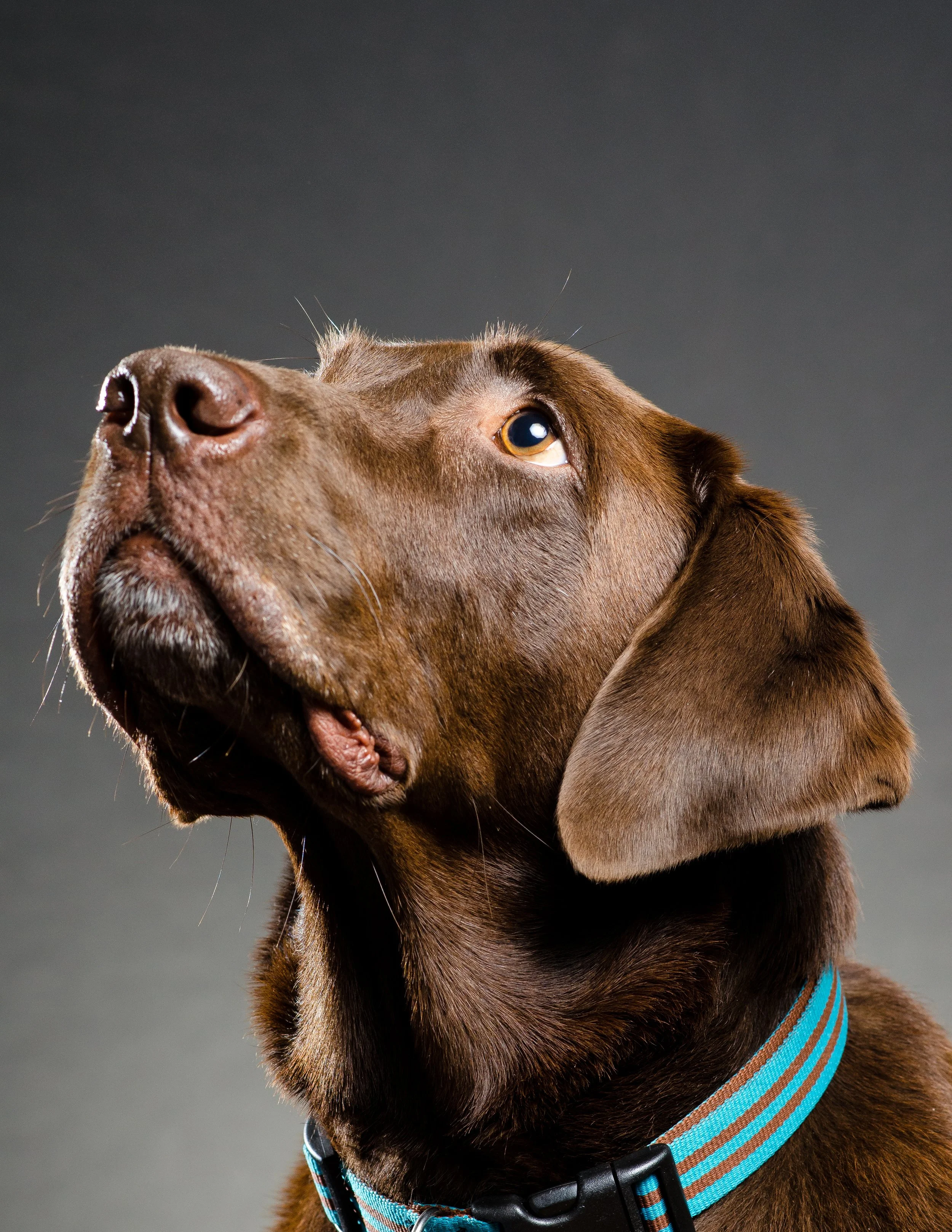
chocolate lab with shiny coat looking up and to the left

Think about the last shampoo commercial you saw on TV. The company probably advertised a new formula to give you your shiniest hair ever, right? Shiny hair is a sign of healthy hair, and the same goes for your dog! While each dog’s coat is just as unique as their personalities – some dogs have wiry hair, some are fluffy, and still others are sleek – a shiny, soft, full coat can be a good indicator of your dog’s overall health. 

Your dog’s skin and coat are a huge part of their overall defense against fleas, ticks, and disease. If your dog has healthy skin and a healthy coat, they are better able to fend off pest infestations and stay free from uncomfortable sores and infections. As an added bonus, a healthy coat helps your dog feel good! They’re less likely to experience itchiness and irritation.


Sounds pretty great, right? Here’s the catch: it takes more than just a new shampoo formula to restore the vibrancy and shine to your dog’s coat. Here are a few tips to pamper your pooch and make their coat the very best it can be. 

Focus on Healthy Proteins in the Diet

As we’ve mentioned before, your dog’s diet is the key to their overall health and wellness. Promoting healthy skin and coat starts with a diet that’s rich in wholesome proteins! According to P.L.A.Y., the composition of your dog’s coat is 90% protein. Proteins in gently cooked dog foods are easier for your dog to digest than processed proteins and meat byproducts, so once you switch to a natural food diet, you’ll probably see a noticeable improvement in their coats. 

Speaking of your dog’s diet, including plenty of omega-3 fatty acids can also improve the appearance of their skin and coat. Your dog can get omega-3’s from a variety of sources, like supplements, oils, and even from fresh fish. As always, consult your veterinarian before you make any major changes to your dog’s diet. 

Groom Your Dog Regularly

While it’s not the only thing that makes your dog’s fur pretty, regular grooming and bathing can go a long way in keeping your dog’s skin and coat healthy. It comes as no surprise that your dog’s coat will look dull and dingy if they’re left dirty after playing in the mud or having a wrestling session with their best buddies. Regular brushing and “spot cleaning” can help them look their best. 

If your dog suffers from itchy skin, oatmeal based shampoos can help soothe them. You can also apply natural balms and oils to their paws to help reduce irritation from their environments. Finally, brushing not only helps eliminate knots and thick undercoats, but it also helps redistribute their skin’s natural oils so their skin and fur stays moisturized. 

Regularly Apply Flea and Tick Prevention

There’s nothing worse than a flea infestation for everyone in your home. Letting your dog succumb to fleas and ticks can leave them with open sores from all the biting and scratching. These open sores can easily become infected and create greater irritation for your poor pup. Your vet should recommend an appropriate pest control solution for your dog’s weight and breed that protects them and your home from infestation. 

Schedule Time for Regular Exercise

Exercise is another big component of your dog’s overall health and wellness! Regular exercise benefits your dog from head to toe. A long walking session or an afternoon playing fetch at the park gets their heart pumping; in turn, this increased circulation “helps the blood carry necessary nutrients to the skin and other organs,” according to Great Pet Care. Just be sure to brush out their fur if they get dirty during their exercise!

Healthy skin and coat is more than just aesthetically pleasing for your dog – it’s their defense against disease and a good indicator of their overall health. Offering your dog a wholesome diet with real proteins and necessary supplements is a great way to start restoring strength and beauty to their skin and coat. Check out our online store to learn more about our human-grade dog food and treats!

The Power and Importance of Healthy Dog Treats

More than a Simple Snack

If there’s one thing that everyone can agree on, it’s that dogs love treats. We love seeing our dogs’ tails wagging at the sight of a fresh biscuit, whether it’s a reward for learning a new treat or just a quick snack for being so darn cute. Treats come in many forms to suit our dogs’ unique preferences and tastes. From soft biscuits to bite-sized chews and even bites of fruits and vegetables, there are so many different tasty and satisfying options available when you’re looking for the right treats for your dog.

At first glance, it can be easy to draw parallels between a dog eating a treat and a human munching on  a bag of chips: delicious, but ultimately not the healthiest choice. However, healthy treats play a much more important role in your dogs’ diets than a mindless munch. Treating with purpose helps you to reinforce proper behaviors, build a bond with your dog, and offers nutritional benefits beyond the food bowl. Let’s dive in.

Treats are training tools

First and foremost, treats are important tools to reinforce your training practices. Of all the incentives you can offer to a dog (i.e. toys, affection, etc.) food is the most exciting for your canine friends. As you train your dog to remember tricks or adapt to certain behavior patterns, be sure to reward them frequently when they do the right things. 

A word of warning regarding treating to enforce behaviors: treating at the wrong time can reinforce bad behavior, as well. For example, giving your dog a treat while you eat at the dinner table can encourage them to beg for scraps every time you eat. Be mindful and conscientious about when and where you offer treats. 

Treats help create a bond

Do you remember the last time your partner or a friend brought you a delicious dessert? You probably felt pretty fond of them at that moment, right? In a similar way, offering dogs high-value treats can establish a bond of trust and appreciation between you. Your dog will recognize that you love them because you give them snacks that they go absolutely wild about!

Treating can be a great way to welcome a new dog into your home, whether you’re adopting from a shelter or bringing home a puppy. Dogs need some time to get accustomed to their surroundings, and giving them delicious treats as they do can help them feel much more comfortable.

Treats offer nutritional benefits

Treats can help you sneak some extra nutrients into your dogs’ diets. If your dog eats kibble, offering small bites of blueberries or carrots can give them a little boost of freshness and wholesome nutrients. Even if you are feeding your dog fresh food, a good treat should contribute to their overall dietary and nutritional needs. 

Some specialized treats are designed to target specific health concerns. For example, there are a number of treats on the market that help to combat bad breath. Others offer joint and digestive support for senior dogs. If you’re not sure what needs you should focus on, it’s a good idea to consult your veterinarian for their recommendations. 

How to Treat Properly

Now that you know just how awesome a healthy treat can be, it’s time to learn the right way to incorporate treats into your dog’s diet. Choosing the best treats and learning when, where, and how often to offer them are all important factors in your treat regimen’s success. 

Choosing the right treats

Just like it is with commercial dry dog food, some treats offer little to no nutritional value for your dogs. Always be sure you look at the ingredients list before you buy. If wheat flour and preservatives are at the top of the list, you should probably seek out a healthier option. Protein quality and the presence of artificial dyes and flavorings also indicate a treat with low nutritional value.

The great thing is that finding a healthy treat is simple. If your dog prefers cookies, try some fresh, natural dog treats with whole fruits and vegetables and no fillers. You can even offer your dogs a few bites of dog-safe fruits and vegetables, like carrots, sweet potatoes, or blueberries. 

When and where to offer treats

We mentioned above that the wrong treating practices can reinforce bad behavior, which can be even harder to counteract over time. It’s important to offer your dog a treat immediately after they display the behavior you want. You also want to be mindful about where you offer treats – don’t offer them in spaces where they may cause mixed signals, like in the kitchen or near the dining table. Finally, if you have more than one dog, do not offer treats to both at the same time if either one is food or treat reactive. You want to only enforce the positive without creating any unintended consequences.

How often to treat your dog

According to Petfoodcare.com, treats should make up no more than 10% of your dog’s daily caloric intake. You should never use treats as a replacement for a meal. If you notice that your dog is gaining weight but you haven’t changed their diet, it may be a sign that you need to cut down on their treat allowance. 

Treats Make Tails Wag

Finding a healthy treat for your dog that they can be excited about isn’t as hard as it may sound! Pawsitively Pure Dog Food offers gourmet, gluten-free dog treats that are packed with real ingredients like pumpkin, blueberries, and oats. If you want to learn more about our food and treats, follow us on Facebook or Instagram and send us a message!

Lex Burton
These 4 Foods Can Conquer the Upset Tummy Blues

How Dogs Get Into Tummy Troubles

Dogs are inquisitive by nature. Their sensitive snouts guide them to discover most of their information about the world around them, from food and toys to other dogs and human friends. However, that inquisitive nature sometimes means that might seem tasty at first sniff but doesn’t sit right on their stomachs. Some dogs are prone to stomach sensitivity; some dogs get upset stomachs in stressful situations; some dogs just like to put everything in their mouths. No matter your dog’s temperament, you’re likely to encounter an upset stomach at least once in their lifetime.

When you’re monitoring your dog’s upset stomach, a good first place to start is by getting in touch with your veterinarian. Some mild cases of tummy upset will pass on their own, but you need to be mindful of more severe symptoms including:

  • Frequent vomiting

  • Frequent diarrhea

  • Bloody stool

  • Total loss of appetite

  • Lethargy

  • Excessive drooling

How to Avoid Tummy Troubles

As is the case with humans, not every tasty-looking morsel our dogs see is good for them to eat. Even some foods that are perfectly healthy for humans can have serious negative consequences for dogs. Make sure your dog doesn’t get the opportunity to eat any of these human foods: 

  • Grapes

  • Avocado

  • Chocolate

  • Alcohol

  • Onions and Garlic

  • Caffeine

Furthermore, non-food items can also cause severe reactions in dogs. If you’re a plant lover, there are certain plants you’ll want to keep out of reach of your pets. Also, some dogs are bad at dropping items instead of swallowing them. Some dogs eat the stuffing or hard parts of their toys; others like to consume socks, dryer sheets, and other such items left in their paths on the floor. If this is the case, you’ll want to work with a trainer to break this habit as it can cause serious discomfort - or worse. 

Foods That Can Soothe a Sick Dog’s Stomach

If you’re nursing your sick dog’s stomach at home, it’s generally recommended to take a short break from their usual diets and give them foods that are gentle and soothing on their stomachs. Here are the best foods to feed your dog while they’re recovering from nausea. 

Bone broth

One of the symptoms of an upset stomach is a loss of appetite or lack of desire to eat. However, you still want your dog to have access to healthy nutrients when they’re not very hungry. A warm bowl of bone broth is enticing, light on the stomach, packed with vitamins and minerals, and provides liquid to help prevent dehydration. Make sure you select a bone broth that’s specifically formulated for dogs, meaning that it doesn’t have herbs, onions, or garlic that may irritate their stomach even more.

Pumpkin

We’ve discussed at length the wonders of pumpkin for your dog, so it should come as no surprise that pumpkin is a big helper for upset stomachs. Pumpkin is full of healthy fiber, which helps to settle upset stomachs. It also has Vitamin A, C, E, B6, iron, magnesium, potassium, folate, and so many other nutrients. When choosing pumpkin for your dog, be sure not to get pumpkin pie filling, which is packed with sugars and other additives. Instead, select a can of plain, pure pumpkin puree - or cook your own when it’s in season! 

Rice

Rice is often recommended for humans when they have upset stomachs, too! Plain white rice is low in nutrients, but it’s a good addition to your dog’s meals to keep them sated while they’re recovering from illness. Many veterinarians recommend giving sick dogs multiple small meals throughout the day, so rice is a great option when your dog just wants a little snack to tide them over. 

Plain chicken

We haven’t met a dog that can say no to a little nibble of chicken. Plain, boiled chicken (made without butter, oil, or spices) offers a great incentive for your dog to have a bite if they haven’t eaten all day. The AKC recommends offering small meals of plain chicken and white rice to make sure your dog has protein in their system to keep them energized. Be sure to serve the chicken in deboned, bite-sized pieces so your dog won’t choke if they’re hungry!

Always Check In With Your Veterinarian

As we mentioned before, it’s so important to check in with your veterinarian before you start treating stomach illness at home. You’ll want to let your vet know about your dog’s symptoms and do your best to determine the cause of their illness so they can give you the best plan of action for your dog’s health. If your vet gives you the OK to care for them at home, order a bag of Pawsitively Pure Bone Broth and give them lots of extra comfort and love while they recover.