7 Summer Water Safety Tips for Dogs

Make a Splash With Your Furry Friends

The heat is on and summer is officially here in Central Florida, giving us the perfect opportunity to enjoy some fun in the sun with our dogs. There’s nothing better than letting your pup get their paws wet in the pool, at the beach, or wherever you like to swim and play. But before you dive in headfirst, it’s important to understand the risks and safety considerations involved with letting your dog play in any body of water. 

When you have an effective safety protocol at the ready and approach water play time with the proper preparation, you and your dog can have lots of fun while getting in some great exercise time. Keep reading to learn a few simple yet important tips to help keep your dog happy and healthy.

Water Safety for Any Canine Swim Session

While swimming may be fun for lots of dogs, it also comes with a unique set of risks. The following are a few tips to keep in mind before you start doggy paddling.

Teach your dog the basics of swimming

First and foremost: never put your dog in a body of water without proper training and introductions. Contrary to popular belief, not all dogs are born swimmers, and many need at least a few chances to get acclimated to the water before they start swimming in earnest. 

If you have a pool at home, start by letting your dog stand on the steps in the shallow end. You should always start off in the shallow end so it’s easy for your dog to get out if they panic or decide they don’t want to swim. Never force your dog to do more than they’re comfortable with. 

Additionally, there are many professional dog swim classes available to pet parents who want their dogs to have the best training possible. Our friends at Dip’n Dogs offer swim lessons for beginners, as well as hydrotherapy and fitness classes for dogs of all skill levels. 

Whether or not you want to make swimming a regular activity for your dog, it’s a great idea to give them lessons if you have a pool at home. Giving your dog confidence in the water can help save their life in an emergency!

Ensure water conditions are safe

Not all bodies of water are safe for swimming in. Lakes and ponds, in particular, can be home to deadly bacteria that can quickly cause your dog to fall ill or worse. Strong ocean tides can easily overwhelm even the most confident of swimmers, and consuming an excessive amount of saltwater can cause serious health issues in dogs. Always double check the water conditions before you set your play date.

Never leave your dog unattended

No matter how experienced your dog is with swimming, don’t leave them unattended while they play. Make sure you’re close by and free from distractions as you monitor your dog’s behavior and actions in the water. If possible, swim by their side–it’s a great bonding activity and also ensures you’re nearby to help if the need arises.

Plan for breaks

It can be easy to lose track of time when we’re having fun, but it’s important to let your dog take regular breaks during play time. They’ll need to be able to comfortably relieve themselves from time to time. Additionally, swimming expends more energy than the usual activities of running and walking, so they’ll probably get tired more quickly than you expect. 

Always have fresh water nearby

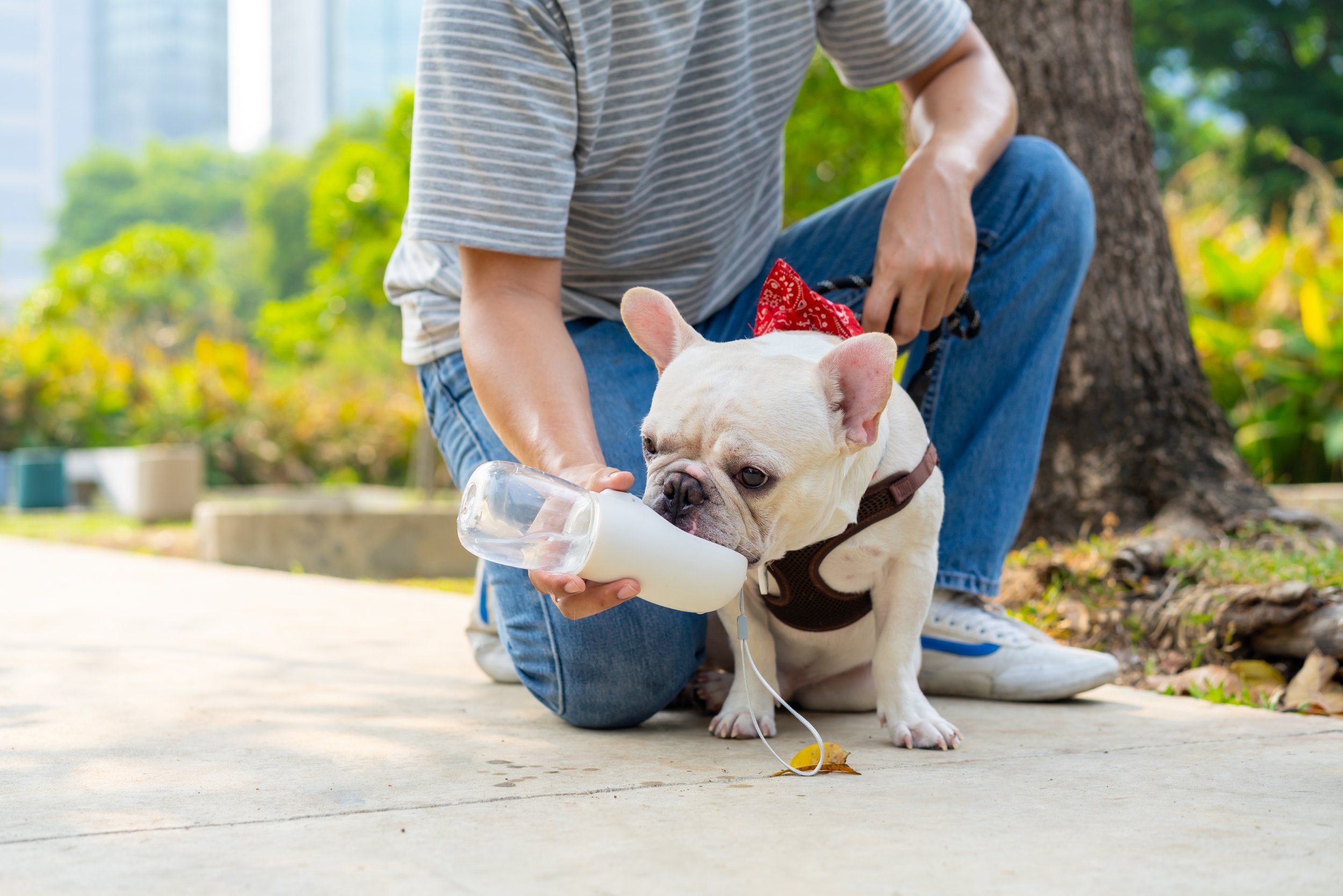
Don’t drink the pool water (or the ocean water, or the river water)! After expending all that energy, your dog is going to need to refuel and refresh with a drink of water. Your dog may be tempted to drink the water around them when they’re thirsty, but of course, that’s not healthy. Be sure to set out a bowl of fresh, cool water in an easily accessible area for your dog to rehydrate.

Teach your dog how to enter and exit the water

Knowing how to safely enter and exit the pool, ocean, or lake is just as important as knowing how to swim. In a pool, you should familiarize your dog with using the stairs. At the beach, make sure there are no rocky drops past the shoreline, and ensure the surf isn’t too rough before you allow your dog to make their way into the water. In other bodies of water, like rivers and lakes, make sure your dog has a slope or a sturdy foothold where they can easily exit as needed. 

Always clean up afterwards

Don’t let that water sit on your dog’s skin and fur after your swim session is over. Chlorine in pools can irritate and dry the skin and fur. Natural bodies of water can have toxins and microorganisms that want to cling to your dog. Always be sure to rinse and thoroughly wash and dry your dog after you’re done swimming. Use a gentle shampoo and be sure to clean around ears and folds!

Why Swimming is a Great Activity for Your Dog

When you’re safe and prepared, swimming is an excellent physical activity for dogs of all ages. It’s truly a full-body workout, more than playing fetch or jogging, and is great for the respiratory and circulatory systems. It’s a great exercise option for elderly and overweight dogs since it’s low impact and offers some additional buoyancy. Another benefit for elderly dogs is that cool water can be therapeutic on sore, arthritic joints. Overall, it’s one of our favorite ways to give our dogs some quality play time, and it’s even more fun when we can enjoy it together!

Keep High-Value Treats on Hand for Swim Training

Getting your dog comfortable and confident in their swimming abilities can take some time. Be sure to offer your dog some high-value treats for being brave and learning new skills! Our all-natural chicken crisps are the perfect reward for a hardworking dog. Visit our online store or stop by our booth at the Lake Mary, Winter Park, and Maitland Farmers Markets almost every weekend! 

6 Energy-Boosting Ingredients for Active Dogs

Canine Fitness Starts with a Healthy Diet

Dogs are active creatures by nature. While we may witness them snoozing throughout the day at home, they really come alive when they get the chance to run, fetch, swim, chase, and play! Healthy activity–both physical and mental–is an important component of your dog’s overall fitness, and your dog needs a dose of healthy energy to make the most of their activity time.

April is Canine Fitness Month, and it’s a great time to make sure your dog is getting the fuel they need to lead an active lifestyle. Just like you need healthy foods to prepare for a gym session or sporting event, your dog needs a healthy, balanced diet before an intensive training session or a long walk on the trails.If you’re ready to help your furry friend get fit, try incorporating a few of these items in their diets.

Natural Ingredients for Extra Energy

Ready to see your dog’s energy levels get a healthy boost? Switch to human-grade food! Natural dog foods have shown increased nutrient absorption compared to kibble, giving your dog better access to energy-boosting vitamins and minerals. Below are a few all-natural ingredients you can find in Pawsitively Pure dog food and treats that give your dog the energy they need to perform their best. 

Real Meat

Kibble is processed, which means that the basic proteins are destroyed as they’re stabilized and prepared to be stocked on shelves. Real meat, on the other hand, offers proteins that are easy to access for your dog, helping them stay lean and limber to support their activity levels. Proteins are the building blocks of all the cells in the body and go on to build muscles, joints, skin, coat, and beyond. Consistent access to whole, healthy proteins can make a huge difference in your dog’s overall wellness.

Blueberries

Blueberries are tasty, healthy, easy-to-feed snacks that are packed with antioxidants, as well as vitamins C and K. These powerhouse nutrients help support your dog’s immune system and boost heart and brain function. Adding blueberries (perhaps in the form of our all-natural blueberry and oat treats) to your dog’s diet can keep them protected from illness and fully functional so that they can play for longer.

Carrots

Carrots are crunchy, delicious, and a perfect low-calorie snack for any pup. These root vegetables have lots of vitamin A, which helps protect your dog’s vision and boosts their night sight. Additionally, carrots are high in dietary fiber to help support healthy bowel movements and overall gut health. Carrots are a great anytime treat, raw or cooked!

Sweet Potatoes

Sweet potatoes are known as superfoods for humans, and they offer just as many benefits for your dogs! Delicious sweet potato is chock-full of beta-carotene, which helps reduce your dog’s risk of cancer, obesity, and heart disease. This nutritional powerhouse is a key ingredient in each flavor of our all-natural, gently cooked dog food.

A Balance of Quality Protein and Carbohydrates

It’s so important to make sure your dog’s daily meals are nutritionally balanced. This means ensuring that they’re getting adequate amounts of high-quality protein and appropriate levels of wholesome carbohydrates. While kibble tends to have lower-quality proteins paired with excessive filler, all-natural food offers a more balanced diet for better quality of life.

Fresh Water

Did you know that one of the top signs of dehydration is lethargy? Here in Central Florida, the weather tends to be hot for at least 9 months of the year. Giving your dog constant access to clean, cool water is crucial for their overall wellness. Be sure to bring a portable drinking bowl if you plan to be outdoors for more than half an hour!

Canine Fitness is Fundamental

Keeping your dog fit and active benefits them in myriad ways.

Boosts Mental Health

Exercise is good for your dog from snout to tail, and that includes their brain! Playing fetch, swimming, and even going for a walk are great ways to stimulate your dog’s brain and keep them cognitively sharp. Puzzle toys and agility courses are great options to give your dog both mental and physical workouts. 

Helps You Bond

Every walk and play session is a great opportunity to bond with your dog. Whether you’re practicing commands as you walk or simply offering belly rubs after a game of fetch, you and your dog get to have fun and build trust in one another. A stronger bond means your dog is more likely to listen to your commands and is more comfortable following your lead.

Confidence and Socialization

There’s a good chance your activity with your dog will bring you in contact with other dogs. Whether you’re at a dog park or on a trail, safely encountering other dogs is a great opportunity to help your dog learn to socialize and build their confidence around other animals. Always be sure you have express permission from the other dog’s owner before approaching for a socializing session. 

Keeps Joints Healthy

According to VCA Hospitals, “keeping joints in motion improves their function.” A sedentary lifestyle can lead to achy, stiff joints for your dog, so it’s important to take them for regular walks and outings to make sure they can stay active well throughout their senior years. Additionally, a balanced, natural diet can help your dog maintain a healthy weight so there’s less stress on their joints overall.

Enjoy Canine Fun and Fitness Year-Round

Canine fitness starts with a healthy diet! This month is a great time to rethink your dog’s diet and give their energy levels a much-needed boost. Human-grade, natural dog food offers the quality proteins and real vegetables they need to live active lives. Shop on our website now, or call (407) 450-6151 to learn more.

Lex Burton
Pet Spotlight: Sugar's Story

Meet Sugar

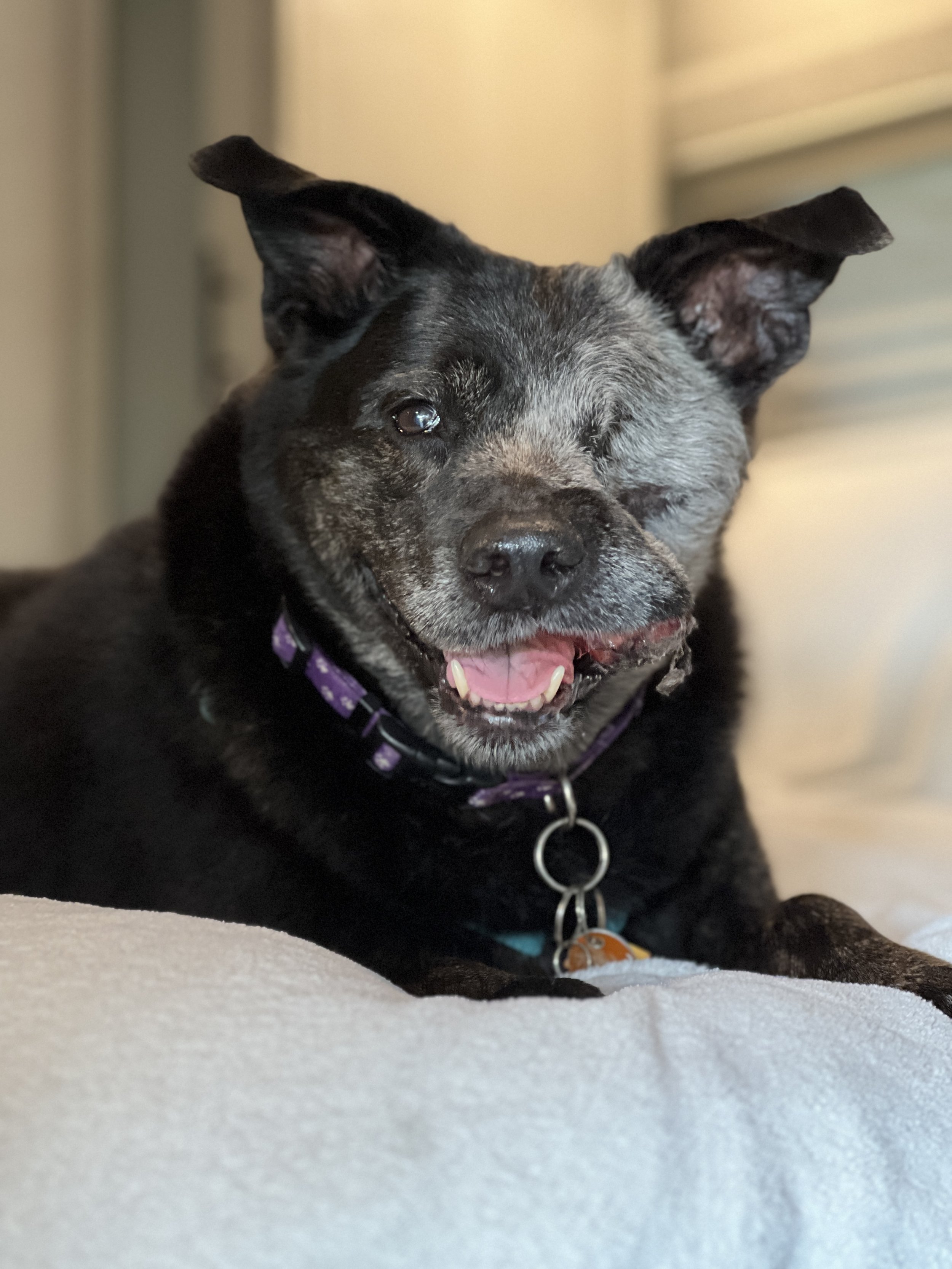
If you follow us on social media, you’ve probably seen Sugar stopping by our stand on farmers market days. Sugar is a very special dog, and we consider ourselves lucky to have met her and her human, Kimberly. Despite her health issues, Sugar is the friendliest, happiest dog with all the love in the world to give. The following is her story, as written by her human.

———

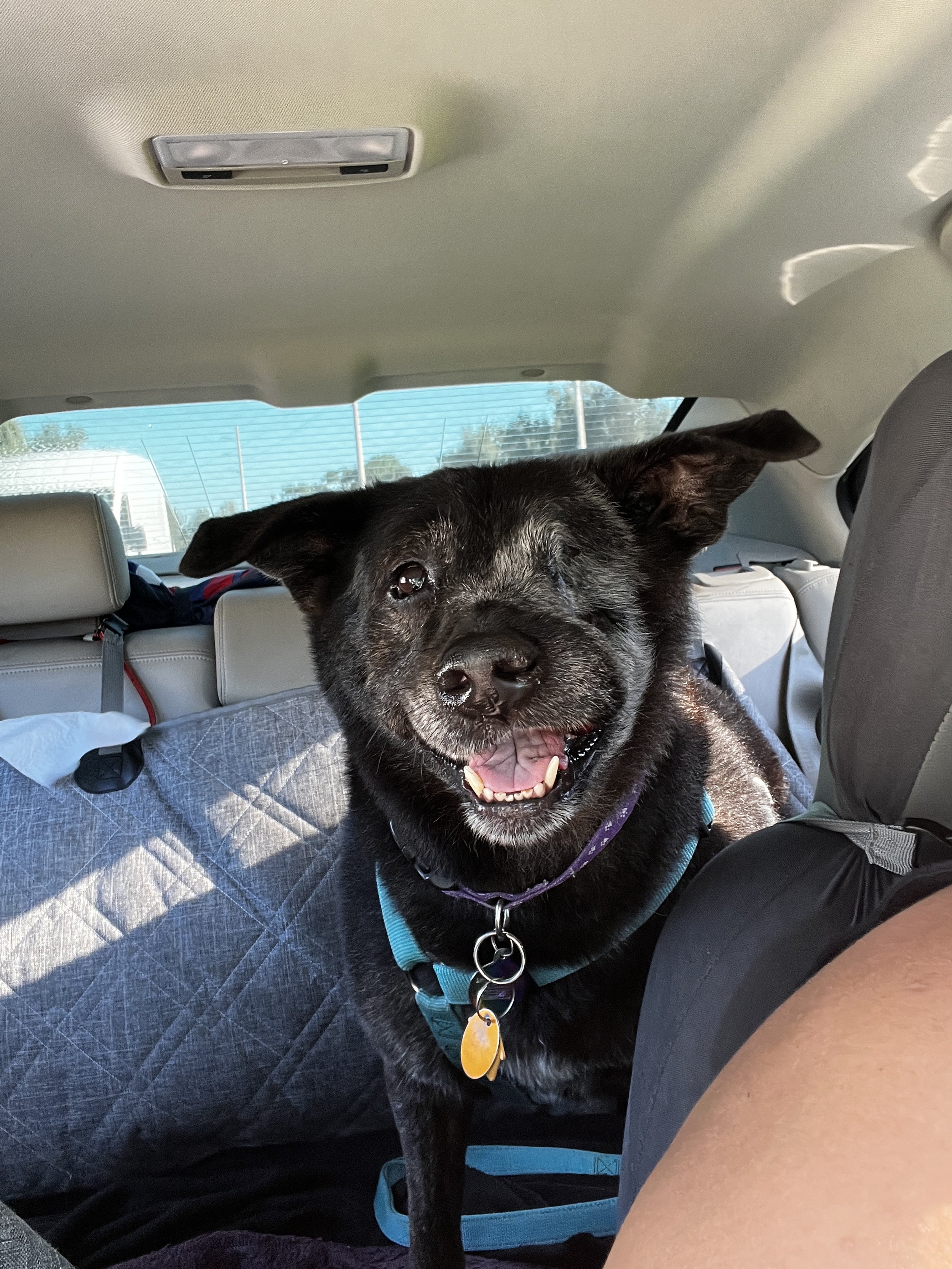
My mother got Sugar from Seminole County Animal Services in 2012 after losing both of her black labs to cancer. She was told Sugar was given her name because of her sweet disposition. My mother always said Sugar seemed to have a special connection with me. After my mother passed away in 2015, Sugar became mine. She has been my emotional support through losing my mother, my job, and everyday stressors. She has been my travel companion for any mini-adventure. As of late, we have been on a tour of her last adventures because she is dying because of a myxomatous neoplasia sarcoma in her face. Last December, her face started to swell out of nowhere. I was told by one specialist it was a tooth abscess, and when my vet went to that surgery in January, they said it clearly wasn't that and took a sample for testing. After receiving the cancer diagnosis, I scrambled to get her to see a cancer specialist; meanwhile, I was in search of quality bone broth. That’s where I found Carole with Pawsitively Pure Dog Food. A friend of mine recommended her because he trusted the human-grade dog food, bone broth, and treats she made.

My first time meeting Carole was at the Maitland Farmers Market. I remember her being so kind to me as I clumsily purchased my first bag of bone broth for Sugar. She gave me her card and told me to call if I needed anything. 

Fast forward to the second weekend in February, and I did just that. I called desperately, looking to help Sugar through food as the first cancer specialist told me there was nothing they could do but offer radiation, and because of the size of the mass, it would limit her life to six months. I decided at that point I would do whatever I could to give Sugar the best quality of life I could. I figured, why not start with her food? Up to then, Sugar had always been a grazing kibble dog. She never seemed excited about food but ate it because it was there. I always thought if the stores sell that food, it should be a balanced, safe meal. I was mistaken, and Carole opened my eyes to better choices for Sugar. She seemed so excited about her new food, waiting in the kitchen as I plated it for her.

Sugar and I went to UF Small Animal Hospital on 2/16, where their oncology surgical team said they could attempt to remove the mass, but Sugar would need radiation treatments afterward. I asked if there was anything else I could do to give her the best outcome, like changing her diet. I was told no; the priority would be just to keep her eating and make sure we don't cause any GI issues. I proceeded with that plan, and while there were speedbumps, Sugar finished her last radiation treatment in May. Throughout this process, Carole and Joe were there checking in and making sure Sugar had their chicken crisp treats for all our travels.

Everything seemed to be turning around until the end of June. Sugar started sneezing, and her primary vet chalked it up to her being more sensitive to allergies after radiation. Then, in July, her mouth began to bleed from what I thought was an abscess. I went back to UF only to hear the cancer was back and growing fast. I was given a two-month life expectancy for Sugar.

At that point, I focused what money I had left on giving her the best food and the best last adventures I could. 

I genuinely believe Pawsitively Pure Dog Food has been an integral part of extending Sugar’s life. We are now in December and while Sugar looks different than what she once did, she is just as sweet and happy as she once was before. 

I'm hoping she will continue to prove everyone wrong and live a few more months as I would like to take her to see snow for the first time in January.

Responsible Dog Ownership: 6 Tips and Tools

September is Responsible Dog Ownership Month

Simply put, owning a dog is a joy. Once you welcome a dog to your family, you can look forward to days filled with sloppy kisses, adventures in the park, and warm snuggles. But dog ownership is more than just fun and games–it’s a responsibility, too. Just like caring for any other animal, or even a child, it’s your responsibility to ensure that your dog is fed properly, exercised, and in good health at all times. 

Unfortunately, not all pet parents practice responsible pet ownership. For example, many animal shelters say that they receive the highest influx of owner surrenders in the period between December and February when people turn over their “gifted” pets that they no longer want to care for. That’s why the first step of responsible pet ownership is making sure that you have the time and capacity to dedicate to the well-being of your new furry friend.

With that in mind, September is Responsible Dog Ownership Month. As dog moms and dads, we should always strive to give our “furiends” the best possible care every day. The following are just a handful of things you can do to step up your game as a responsible pet parent.

6 Ways You Can Be a Responsible Pet Parent

Many of these tips are inexpensive and readily available to every dog mom and dad! With some dedication and preparation, every dog parent has what it takes to be a responsible owner.

Prepare before you purchase

As we mentioned above, responsible pet parents are people who take time to consider the obligations that come along with dog ownership well before they welcome a new dog into their lives. Owning a dog does come with additional expenses, from vet visits to food, toys, and treats. Make sure you’re able to spend that money on your pup as needed and have a little extra padding in case of emergency. 

Beyond money, pet care involves a time commitment and perhaps some lifestyle changes. Your dog will need daily walks, some safe and quiet spaces, and room for zoomies and play sessions. If you’re living in an apartment or condominium, you’ll also need to make sure that your residence doesn’t have pet restrictions that would prevent you from keeping your dog. Take your time with a thorough analysis of your life and make sure you’ll be a good fit for your future dog before you start any adoption or purchase paperwork.

Make a household schedule

Dogs are, for the most part, creatures of habit. They thrive when they can count on routine walks, feeding, playtime, and so on. A great way to ensure you’re building good habits for your dog is to create a schedule for the whole household. Divide tasks between household members based on their comfort levels and personal schedules. For example, the person who leaves the house first each day can be in charge of morning feeding, while the person who works from home can take care of afternoon walks. When everyone takes part in your dog’s wellness, it’s easy to succeed!

If you’re living alone with your dog, no worries–just create a schedule that fits in with your daily routine while addressing all of your dog’s needs.

Don’t skip regular vet appointments

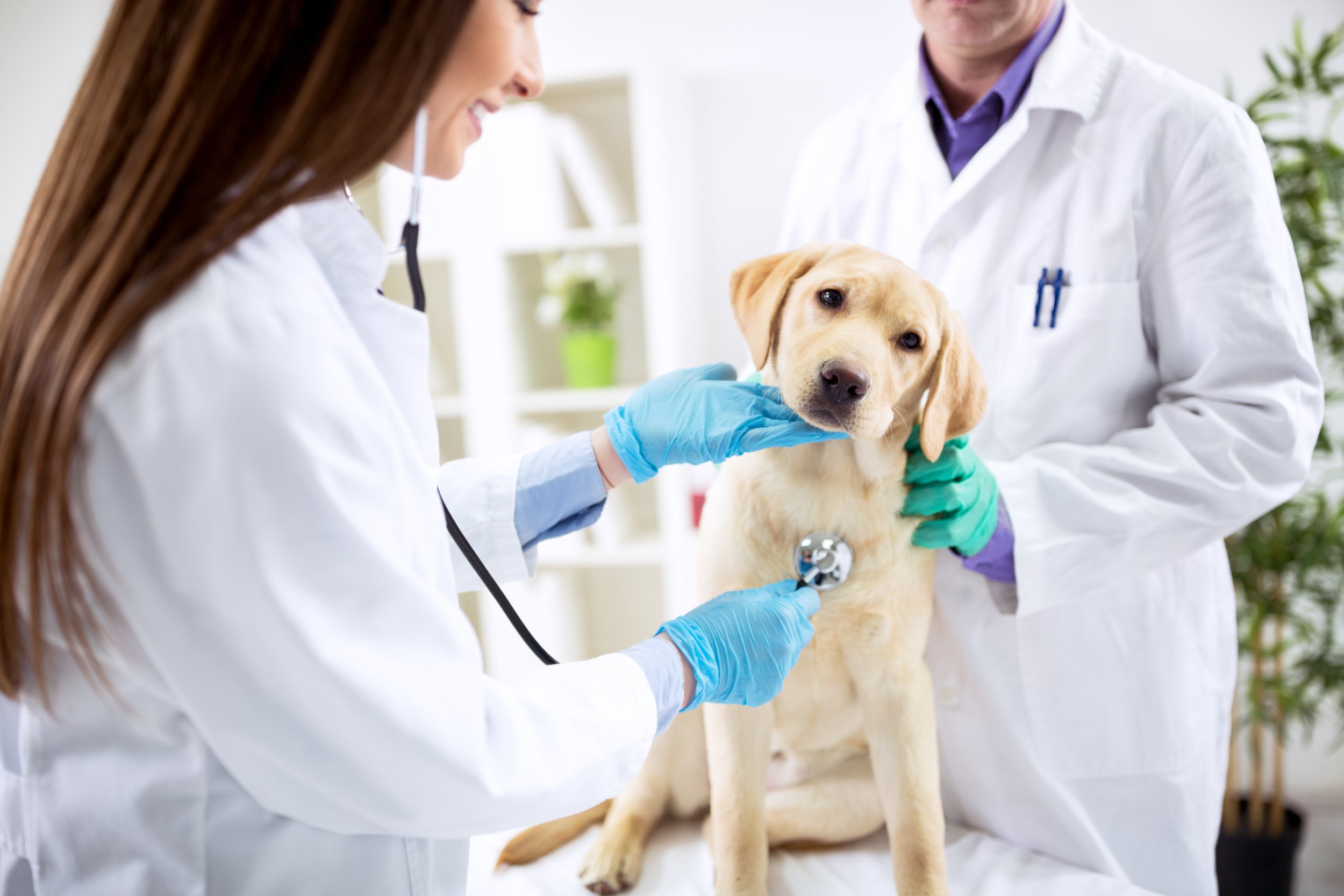
You may think that as long as your dog is acting normally and isn’t sick or injured, they don’t need to see a vet. However, regular vet visits are important for your dog’s overall wellness, especially as they age. Be sure to keep up with your dog’s annual appointments and vaccine boosters to ensure they are protected from common illnesses and diseases. Your vet will be able to recommend a good at-home care program to help them stay healthy between visits.

Provide plenty of exercise

Both physical and mental exercise are so important for your dog’s health. Beyond your regular walks, there are numerous ways you can help your dog stay in shape, from swimming to playing fetch and taking agility courses. As for mental exercise, you can choose from hundreds of different kinds of puzzle toys to help improve your dog’s logic and problem-solving skills. You can also take your dog on different walking routes every day to allow them to sniff new smells and see new sights. Exercise should be easy and fun for both of you!

Feed them a wholesome, nutritious diet

The world of pet nutrition has changed greatly over the last decade or so. Many pet parents are saying goodbye to kibble in favor of fresher, more wholesome foods. The main benefit of feeding gently cooked dog food over kibble is that kibble is packed with fillers–mainly carbohydrates–that can make it difficult for your dog to maintain a healthy weight and fill their digestive systems with excess sugar. Gently cooked dog food provides your dog with whole proteins, fresh veggies, and absolutely nothing that they don’t need. If you haven’t transitioned yet, talk to your vet for recommendations. It’s easier to make the switch than you’d think!

Leashes, IDs, and microchips–oh my!

When you and your dog are exploring, it’s important that you have full control of them at all times. Even if your dog is good off-leash, it’s important to follow all posted leash laws and be courteous to other dog walkers in the area. Leash training is foundational to good behavior in other aspects of your dog’s life. 

Even with lots of practice and control, accidents may happen. For that reason, it’s important to keep your dog’s ID tag and microchip up to date at all times. These will allow people to quickly find you and return your dog should they slip away.

And please, always pick up your dog’s poop and dispose of it properly.

Responsible Dog Owners Want the Best for Their Pets

Responsible pet ownership shouldn’t be viewed as a chore. Rather, it’s an opportunity for you to make your dog happy and healthy for the rest of its life with you. Responsible dog parents, celebrate September with Pawsitively Pure Dog Food! Head over to our shop to order wholesome, gently-cooked food and all-natural dog treats today. 

Lex Burton
6 Questions to Ask the Vet at Your Next Visit

Vet Checkups Can Be Difficult, but They’re Important

It’s rare to hear about a dog that loves going to the vet. New animal smells, unfamiliar people, poking, prodding, and injections can all contribute to a stressful and sometimes scary experience for any dog. They’re equally as likely to cause some anxiety for dog parents as we attempt to soothe our fretful furry friends with hugs and healthy dog treats. Despite the hassle, however, regular vet checkups are critical in maintaining our dogs’ health and wellness.

If you and your dog find yourselves frazzled when it comes time for a vet appointment, you’re not alone. The best way to get through it while ensuring your dog’s healthcare needs are fully addressed is by preparing ahead of time. The night before your dog’s vet appointment, you can:

  • Set up their carrier in the car or an easily accessible place for load-in

  • Set aside a small bag of their favorite treats to take with you

  • Desensitize your dog’s sensitive spots–i.e. Gently touch and handle their paws, belly, tail, and so on

  • Make a note of any changes in your dog’s behavior and prepare questions to ask your veterinarian

That last bullet point is the most essential step. Having a list of key talking points on hand can help you stay on track and address any pressing issues while helping your dog stay comfortable.

Ask Your Vet About These Health Topics

Veterinarians are eager to answer all of your questions to ensure your dog is receiving the best possible care. Here are a few questions that will help you keep your dog healthy for years to come.

What are these bumps/lumps on my dog?

Lumps and bumps are fairly normal occurrences for any dog. Just like humans, dogs may encounter acne, warts, skin tags, and so on at any stage of their lives. However, some bumps may indicate more significant problems beneath the surface. If you’ve noticed any new growths on your dog’s skin, or you feel a thickness that wasn’t there before, be sure to note its location and indicate it to your veterinarian for assessment.

Is my dog’s weight appropriate?

Your dog’s weight and diet have a significant impact on their longevity and quality of life. According to the 2022 State of the U.S. Pet Obesity Report, an alarming 59% of dogs in the U.S. are considered overweight. Your veterinarian can help assess the proper weight range for your dog based on their breed, age, and other factors. They can also recommend an all-natural, healthy diet that will help boost their energy levels while maintaining the proper weight.

Does my dog need any additional vaccinations?

Most veterinary offices will give you reminders when it’s time to give your dog the necessary shots and boosters, but it’s always good to check. This is especially important if you’ve recently welcomed your dog to your family, as you want to make sure they’re appropriately protected from common illnesses and diseases. 

Is their behavior (chewing, itching, barking) normal?

Every dog acts out once in a while. However, if you’ve noticed a recent hyperfixation on certain behaviors, or brand-new behaviors they’ve never displayed before, it’s worth checking in with your vet. Sometimes, behaviors like paw chewing or excessive itching can indicate allergies or even mental health conditions. Dogs have good days and bad days just like their humans do, but it’s up to us to make sure those bad-day behaviors don’t become habitual.

How much exercise should my dog get daily?

The amount and type of exercise a dog needs varies greatly depending on their breed and stage of life. Whereas large breeds tend to need a few hours a day, toy breeds can be perfectly healthy with less exercise time. Your vet can give you a ballpark figure to aim for, as well as recommendations for appropriate types of exercise. If your dog is highly energetic, they may enjoy obstacle courses and long trail walks; low-energy dogs may be perfectly content with a simple walk and a few puzzle toys.

What signs of distress and disease should I look for in the future?

Your vet can’t watch your dog 24/7, so you have to be an advocate for your dog’s health at home. Based on your dog’s medical history, age, breed, and other factors, your veterinarian can give you a list of disease symptoms and warning signs to watch out for. Preparation is your most powerful tool when it comes to managing your dog’s health issues.

Give Your Dog a Treat After Their Next Vet Appointment

When you go to the vet’s office equipped with these questions, your dog’s healthcare provider can offer personalized solutions for a healthy lifestyle. After sitting patiently through examinations and treatments, your dog deserves a healthy treat to celebrate a job well done! Order a bag of our fresh and delicious Chicken Crisps for dogs and your dog will be ready to take on any challenges that come their way.

Lex Burton